

Lap-incisional-ventral-hernia-repair
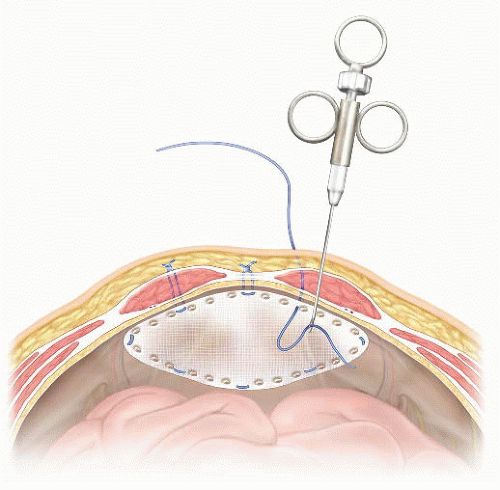
Lap-incisional-ventral- hernia-repair
Procedure: Laparoscopic Hernia Repair:
Performed under general anesthesia, the surgeon makes small abdominal incisions to insert a laparoscope and instruments. The herniated organs are repositioned, and a prosthetic mesh is placed beneath the defect, secured with sutures or staples.
Benefits and Limitations of Laparoscopic Hernia
Repair
Advantages:
-
Faster recovery and return to daily activities
-
Shorter hospital stay compared to open surgery
-
Less postoperative pain and discomfort
DisAdvantages:
-
Requires general anesthesia
-
Higher cost than conventional surgery
-
Risk of complications such as infection, bleeding, or recurrence
Our Locations
Choose your preferred location
Frequently Asked Questions
In what way does surgery for ventral hernias with a robot increase accuracy during the repair process?
Repair of a ventral hernia with the robot gives the surgeon indirect control via very small instruments that make very precise, advanced movements. This results in the surgeon being able to repair the weakened abdominal wall in the most exact manner and possibly reduce the surrounding tissues’ stress.
What makes ventral hernia robotic surgery feel different from the traditional methods?
The majority of the patients say that ventral hernia surgical procedures done with robots result in minimal incisions, less muscle pulling and a quick and easy recovery. The robotic system allows the surgeon to have a strong, enlarged view inside the abdomen during the whole process.
Will I feel anything during the robotic part of the procedure?
No. You’re fully under anesthesia, and the robotic arms simply act as an extension of the surgeon’s hands. You remain completely still and comfortable throughout the repair.
How long is the usual period for return to normal activities after this kind of repair?
The time for recovery is different for each person, however, many patients return to light activities pretty soon as the method causes less damage to the abdominal wall. The majority of patients report that the procedure was “easier than they expected.”
Is there a difference in the way the mesh is placed when using the robotic technique?
Indeed. The image with the highest definition allows the surgeon to place the mesh with an even better accuracy, thus possibly enhancing the long-term support of the area repaired.
What are the things I can expect in the first week after the operation?
The majority of the patients feel only slight soreness, nevertheless, within a few days the movement becomes pleasant. Walking, breathing exercises, and drinking water are the main factors that support quick recovery.
Is post-operative care still the same for robotic repair cases?
The follow-up appointments are typically uncomplicated. Your doctor evaluates the healing process, the level of activity, and the possible first changes in the abdominal strength, making sure your recovery follows the planned schedule.
Contact with us!
For consultations or more information about incisional hernia treatment, please contact our team today.