

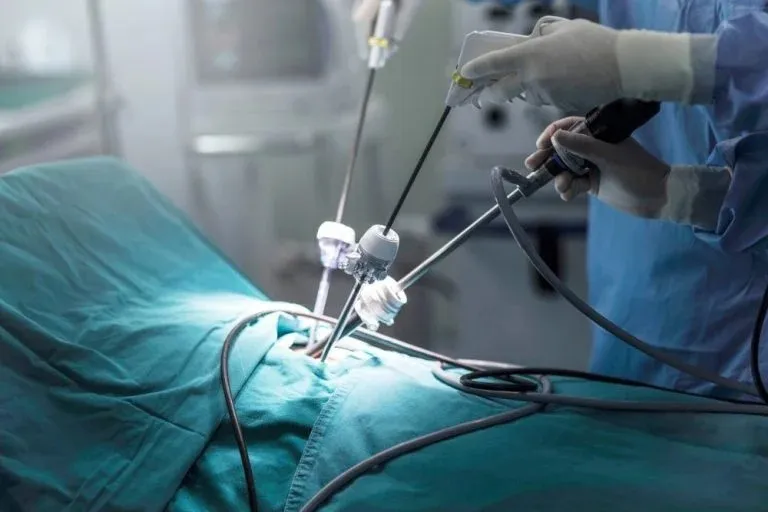
Surgical care has evolved significantly over the years, moving toward approaches that prioritize patient comfort, safety, and faster recovery. One of the most important advancements in modern medicine is the shift from large open incisions to refined techniques that minimize physical trauma. These innovations have reshaped how surgeons diagnose and treat many common conditions while improving overall patient experience and outcomes.
What is Minimally Invasive General Surgery
Minimally invasive general surgery refers to a group of surgical techniques that allow procedures to be performed through small incisions using specialized instruments and advanced visualization tools. Instead of opening large sections of tissue, surgeons operate with precision using cameras, laparoscopic tools, or robotic assistance. This approach provides a clear internal view of the surgical area while reducing disruption to surrounding muscles and organs. As a result, patients often experience less pain, fewer complications, and quicker healing compared to traditional open surgery.
These techniques are commonly used to treat conditions affecting the gallbladder, hernias, appendix, gastrointestinal tract, and abdominal organs. Because the methods rely on accuracy rather than exposure, they are particularly valuable for both routine and complex procedures.
Core Techniques Used in Minimally Invasive Procedures
In minimally invasive surgery, the most common techniques for general surgery are aimed at precision and safety. The laparoscopic technique continues to be the most adopted method and consists of the insertion of a miniature camera through a very small incision to steer the operation live. Robotic-assisted operation is very close to this concept. It provides the doctor with more control, thanks to improved dexterity, stability, and 3D viewing.
Endoscopic methods can be utilized not only for diagnosis but also for treatment, particularly in the case of digestive disorders. These methods, in a way, make it possible to address the condition by the least invasive and disruptive means. The technique that is to be employed will basically depend on the patient’s problem, overall health and surgery’s skill set.
Benefits for Patient Recovery and Comfort
To say that improved recovery is the most important benefit of this surgical method would not be an overstatement. As a result of smaller incisions there is less postoperative pain and consequently less use of painkillers. Usually, patients undergo less swelling and scarring, which not only makes them feel better but also keeps them satisfied regarding the aesthetics. The time spent in the hospital is usually shorter, and a lot of patients are able to go home earlier and get back to their normal life much sooner.
On the other hand, less surgical trauma decreases the possibility of getting infected or suffering from complications like severe bleeding or slow wound healing. For active individuals or those who have work commitments, the faster recovery time is a very important factor in keeping them both physically and mentally healthy.
Precision, Safety, and Surgical Accuracy
Surgeons are provided with excellent accuracy by advanced visualizations and specialized tools. The imaging of high-definition quality offers a clear and detailed view of the inner body parts, which in turn, helps to keep healthy tissues alive while at the same time, the affected area is being treated. This precision is a requisite in very intricate procedures where the very delicate structures are involved.
Meanwhile, the ability to perform minimally invasive general surgery consistently with the same results is a major benefit since it gives the surgeons better control over the procedure and at the same time, reduces the variability coming from the patients’ side. The surgeons are able to perform very small and precise maneuvers that not only increase the safety of the procedure but also the effectiveness of it, thus leading to predictable results and consequently increased success rates in the long run.
Conditions Commonly Treated with Minimally Invasive Approaches
Minimally invasive methods are applied now in the treatment of many general surgical conditions and among them are gallbladder removal, inguinal and ventral hernia repair, appendectomy, colorectal procedures, and cystography. People suffering from the above-mentioned chronic pain, digestive disorders, or structural abnormalities often get relief with the help of these advanced methods.
With the betterment of technology, the list of conditions that can be treated through minimally invasive general surgery gets longer. This development makes it possible for more patients to obtain high-quality surgical treatment with lesser physical and emotional burdens.
Patient Eligibility and Personalized Surgical Planning
No two patients are alike and surgical planning is one of the most important things that can determine the outcome. The patient’s age, medical history, body type and the severity of the condition are some of the factors that are scrutinized before a surgical intervention is proposed. Surgeons customize treatment plans according to the patient’s individual needs, which not only guarantees safety but also takes full advantage of the minimally invasive methods’ benefits.
Communication and education have to be very clear also. Patients who are aware of their procedure, recovery expectations and follow-up care tend to be more confident and, therefore, more involved in the whole surgical process.
Long-Term Outcomes and Quality of Life
Minimally invasive procedures not only improve a patient’s immediate recovery, but they also help to maintain long-term health and quality of life. Less pain and discomfort, plus the already mentioned small incisions with less damaged tissue, the result is lasting comfort and lower postoperative complication rates. A lot of patients have experienced and reported their mobility getting better, less pain, and more satisfaction with their surgical treatment.
Faster recovery patients’ ability to return to their healthy routines sooner, which can influence their overall wellness and mental health in a positive way, is also one of the good things they get from the surgery.
Conclusion
The minimally invasive general surgery has really changed the whole modern surgical approach by the way it combined the three characteristics of innovation, precision, and patient-centered benefits. The techniques since they have less pain, faster recovery, safer and better long-term outcomes have been giving the patients undergoing surgical treatment significant benefits. The Nihalani Group LLC is still ready to provide the best surgical care with advanced methods and personalized attention through its dedicated and trustworthy solutions that emphasize safety, recovery, and lasting results.
0 Comments