

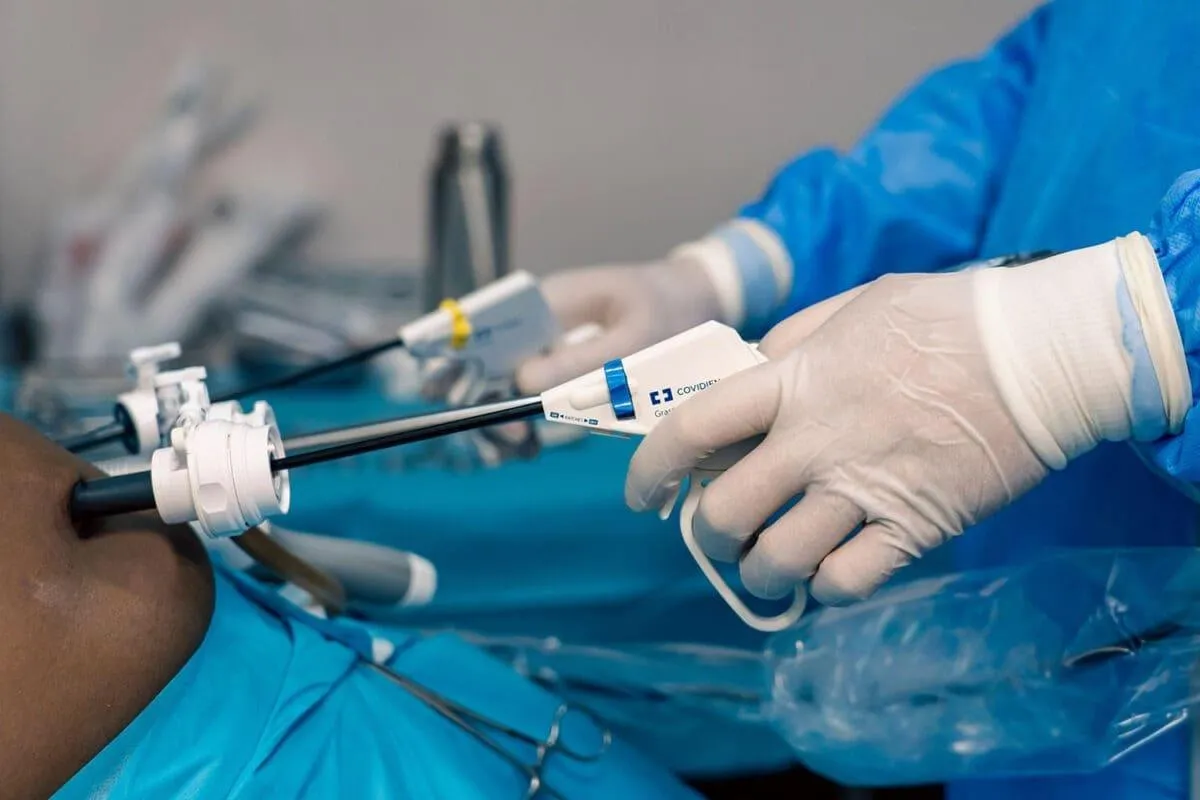
The decision of going for bariatric surgery is a very crucial one that usually comes after a long period of time when one has been suffering from weight-related health issues. Nowadays, among the various surgical options available, one of them, which is robotic gastric bypass surgery, has been the one preferred by many patients for its accuracy, less invasive nature, and supportive recovery results. One will be able to reap the mentioned benefits if he knows what is going to happen before and after the surgery.
The transformative procedure of weight loss is not a one-time act but a systematic journey which starts long before the operating room and lasts long after the recovery process. Medical assessments and lifestyle changes, post-surgery adaptations and constant monitoring – each step is equally important for getting the desired outcome to last.
Preparing for Surgery Physically and Mentally
The patient’s safety and readiness are to be guaranteed by the preparation phase. A full medical evaluation is the usual procedure applied to patients who are going to have surgery. This evaluation may involve blood tests, imaging studies, cardiac clearance, and nutritional assessments. The purpose of these evaluations is to find out if there are any underlying conditions that need to be treated or managed before the surgery and to confirm that the body is fit for the operation.
Mental and emotional preparation is of equal importance. So, the patients are to meet with the nutritionists and counselors to learn about the dietary changes and behavioral adjustments that are going to be required after surgery. Not only will the patients be able to develop healthier eating habits but they will also learn how to control their portions and cut down on sugar and processed food intake which can lead to great improvement in postoperative outcomes. At the same time, weight loss programs may also suggest the gradual shedding of weight preoperatively to mitigate surgical risk and facilitate faster recovery.
In addition, some lifestyle changes like smoking cessation, alcohol limitations, and light physical activity may also be carried out as a recommendation. The circulation, lung function, and healing capacity of the whole body are improved so that the surgery and the subsequent recovery period become less demanding and more successful.
Understanding the Surgical Process and Hospital Experience
On the surgery day, patients are taken to the hospital, and the medical team goes through the procedure, anesthesia plan, and all the steps of postoperative care. With the help of the robotic system, the surgeons are able to make use of enhanced visualization and open the aperture for the control of movements through small incisions, thus cutting down on the trauma to the surrounding tissues.
Robotic gastric bypass surgery involves the stomach being molded and linked to a part of the small intestine to restrict intake of food and absorption of nutrients. To be more precise, the robotic technology provides greater accuracy and control and that may lead to oozing being less, complication rates being lower and quality being the same throughout the surgical process which is at times complex.
On average, patients are admitted for one to two days after surgery. Pain management during this period is done very effectively, mobility is made a point, and monitoring of vital signs is done closely. Patients learn breathing exercises and soft movement for better blood flow and prevention of complications.
Early Recovery and Lifestyle Adjustments After Surgery
The healing and adjustment process mainly takes place during the first weeks post-surgery. Usually, patients start with a liquid diet, and then the digestive system starts tolerating pureed and soft foods. This time is very important for teaching patients how to recognize their fullness signals and eat carefully while healing the surgical wound.
Drowsiness is very likely to be felt during the initial recovery since the body has to get used to a reduced calorie intake and the healing process; however, there are patients who already after a few weeks notice improvements in their mobility, breathing, and comfort in joints. Water intake becomes very important because the capacity of the stomach is smaller so it requires consistent fluid intake during the day.
The follow-up visits are extremely important in this phase. Doctors check healing progress, calculate nutrition needs, and suggest vitamin intake to avoid iron deficiency. Emotional support is necessary too; as eating habits and body image changes can be quite hard for some people.
Long-Term Results and Ongoing Care Expectations
The long term success that follows bariatric surgery is largely dependent on the patient’s consistency and commitment. As the weight loss journey progresses, the different patients normally experience improvements in their obesity related disorders like type 2 diabetes, high blood pressure, sleep apnea, and even joint pains. In addition, the increased energy levels and enhanced quality of life are some of the benefits that are frequently reported.
Regular physical activities get easier as the weight loss occurs, which in turn, assists more in the metabolic health and weight maintenance. The patients are advised to formulate exercise routines that would be sustainable and that would in turn match with their potential and lifestyle. Nutritional balance still plays a great role, mainly in protein intake, portion control and long term supplementation as prescribed by medical professionals.
It is important to note that robotic gastric bypass surgery is not a standalone solution but rather a facilitator. Medical follow-ups, healthy food choices and behavioral awareness are essential to keeping the results for a long time. Those patients who keep in touch with their healthcare team are the ones who usually experience more stable and lasting outcomes.
Building Confidence Through Education and Support
Each phase of the process is understood by the patients; hence, they are able to approach surgery with confidence and clarity. It is certain that there will be less anxiety and more assurance regarding the whole process if one knows what to expect before and after the operation. There will also be a stronger emphasis on the areas of preparation, recovery, and long-term commitment. The patients’ personal dedication, along with the support of experienced professionals, forms a very strong base for successful weight management and improved health.
In conclusion, surgery patients who consider robotic gastric bypass surgery gain the most if the operation is incorporated into a thorough, guided care plan. For those who want to be assured of surgical expertisе and get a plan for long-term support, Nihalani Group LLC delivers patient-oriented service with a focus on safety, education, and sustainable weight loss results.
0 Comments