

When people consider weight loss procedures, their concerns usually go beyond the number on the scale. Questions about comfort, digestion, and long-term stomach changes often come up. One of the most common worries is whether Lap Band Surgery affects gastric distention—the stretching or expansion of the stomach. Understanding how the stomach responds to this procedure can help patients make informed choices and avoid habits that may interfere with results.
A Simple Look at Gastric Distention
Gastric distention occurs when the stomach expands its boundaries because of food and liquid consumption. The body develops this function to enable you to consume regular meals which will return to their original size. The stomach undergoes temporary stretching during healthy digestion which ends when the digestive process starts. The condition develops when people eat excessively because their stomachs remain expanded for extended times which results in their ability to consume more food.
How Lap Band Surgery Changes Eating Mechanics
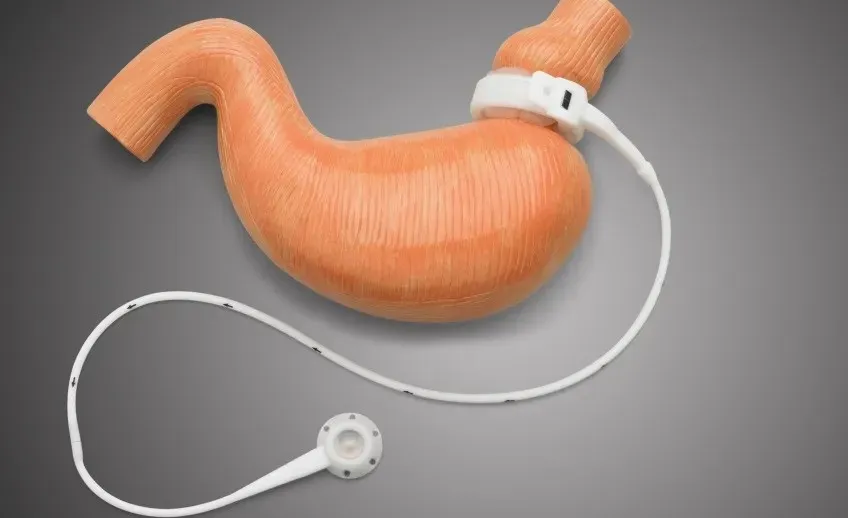
Lap Band Surgery works by placing an adjustable band around the upper part of the stomach, creating a smaller pouch above the band. The pouch reaches its limit because it fills up fast, which results in users experiencing full stomachs after they eat less food. The lower part of the stomach maintains its original structure while continuing to function as the digestive system.
The band restricts food entry into the stomach which results in lower stomach expansion during mealtime. The procedure changes food intake patterns through its implementation, which results in different stomach expansion levels, instead of reducing entire stomach expansion. The mechanical change results in slower eating through smaller portion sizes, which helps avoid repeated stomach overexpansion.
Can the Stomach Still Stretch After the Procedure?
Gastric distention can occur, but its likelihood depends on which activities a person chooses to perform. The band limits food consumption, but patients who eat excessively or consume food too rapidly or drink large amounts of soft foods and liquids will stretch their small pouch above the band. The body will decrease its capacity to feel restricted and achieve fullness as time progresses.
The significance of eating patterns equals that of the surgical treatment. The stomach functions as elastic tissue. The stomach will expand when people keep eating beyond their limit. The stomach pouch protects itself from overstretching when patients follow portion control, chew their food properly, and stop eating when they first feel full.
The Role of Band Adjustments
The adjustable band system which exists in Lap Band Surgery serves as one of its distinctive surgical elements. The surgical procedure uses saline solution to increase or decrease patient restriction levels. The right adjustment creates a system which maintains patient comfort while delivering optimal results.
Loose bands enable patients to consume larger food portions which results in increased probability of pouch stretching. Patients who experience excessive band tightness will develop painful symptoms together with reflux and swallowing problems. The ongoing check-ups verify that the band maintains appropriate restriction levels which enables patients to control their food portions without putting stress on their stomachs and esophagi.
Eating Patterns That Protect the Stomach
How you eat after surgery directly affects gastric distention. Simple habits can make a meaningful difference:
- Eat slowly and pause between bites.
- Stop eating when you feel satisfied, not stuffed.
- Choose solid, nutrient-dense foods over calorie-dense liquids.
- Avoid drinking large amounts of fluid with meals.
- Stick to recommended portion sizes.
These habits prevent pressure buildup in the stomach pouch and help maintain the intended restriction over time. Patients who adopt mindful eating tend to maintain results more consistently and experience fewer digestive issues.
Symptoms That Signal a Problem
Gastric distention and pouch stretching both produce specific symptoms. The patient shows three symptoms which include persistent vomiting and chest discomfort and frequent reflux and the feeling that food is no longer restricted.
The first evaluation of a patient helps to stop future medical problems. Immediate response to these signs helps to restore patient comfort while protecting their stomach function from permanent alteration.
Long-Term Effects on Digestion
Lap Band Surgery does not permanently change how the stomach expands and contracts. The stomach maintains its normal movement abilities. The system changes when it controls both food intake and speed at which people reach satiety. The patients who follow these new signals show better results because they experience less distention and achieve better portion control.
The daily decisions that people make during their weight loss journey determine their success in achieving weight loss goals. The band helps people develop better eating habits, but it does not stop them from following their existing patterns. The stomach develops through proper adaptation when patients treat the procedure as a tool instead of using it for quick results.
A Practical Way to Think About It
The band functions as a guide because it does not operate as a protective barrier. The device functions as a stop signal, but it fails to control food intake because people will keep eating when their body needs to stop. The degree of gastric distention that occurs after surgery depends more on patient adherence to post-surgery instructions than on the surgical procedure itself. The majority of patients achieve better portion control, while most of them also succeed in maintaining their body size through the combination of mindful eating, appropriate adjustments, and regular check-ups.
The selection of an appropriate healthcare team leads to positive treatment results and extended patient satisfaction. The combination of continuous guidance and personalized modifications, along with specific nutrition assistance, enables patients to maintain their stomach health while achieving their weight management objectives. The Nihalani Group LLC provides trustworthy patient follow-up services, which deliver patient-focused treatment to assist individuals in their safe, sustainable recovery process after Lap Band surgeries.
0 Comments