

When considering weight-loss surgery, one of the most common and important questions people ask is: is gastric bypass reversible? It’s a completely valid concern—after all, this procedure permanently changes how your digestive system works.
If you’re thinking about taking this step, understanding whether it can be undone—and what that really means—is essential before making a decision.
What Is Gastric Bypass Surgery and How Does It Work?
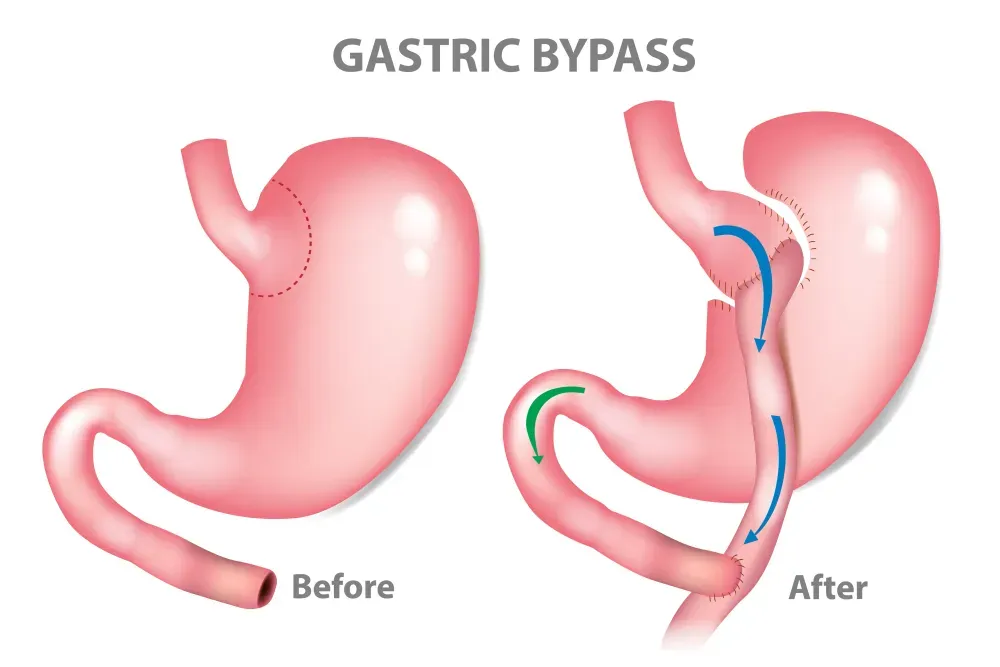
Gastric bypass surgery is one of the most effective bariatric procedures designed for people struggling with severe obesity.
The most common type, Roux-en-Y gastric bypass, works in two key ways:
- Restricting food intake by creating a small stomach pouch
- Reducing calorie absorption by rerouting part of the small intestine
This means:
- You feel full faster
- You eat less
- Your body absorbs fewer calories
Most procedures are performed laparoscopically, which involves small incisions, faster recovery, and fewer complications.
Is Gastric Bypass Reversible?
Let’s answer the main question: is gastric bypass reversible?
The short answer is: yes, but only in rare and complex cases.
While technically possible, gastric bypass is considered a permanent procedure. Reversing it requires another major surgery to restore the original digestive structure—and it’s usually only done when medically necessary.
Is Gastric Bypass Reversible in All Cases?
No, gastric bypass is not reversible in every case.
Several factors influence whether reversal is even possible:
- Overall patient health
- Time since the original surgery
- Presence of complications
- Amount of scar tissue
- Surgical risks
In many situations, reversal may be too risky or not recommended at all.
Why Would Someone Consider Reversing Gastric Bypass?
Although most patients are satisfied with their results, reversal may be considered in rare situations:
1. Severe Nutritional Deficiencies
Some patients struggle to absorb enough vitamins and minerals.
2. Chronic Digestive Problems
Persistent nausea, vomiting, or discomfort can affect daily life.
3. Surgical Complications
Issues like ulcers, strictures, or internal hernias may require correction.
4. Poor Weight Loss Outcomes
In some cases, patients may not achieve expected results.
Is Gastric Bypass Reversible or Just Adjustable?
This is a common misunderstanding.
Unlike gastric band surgery, gastric bypass:
- Cannot be adjusted
- Permanently changes anatomy
- Alters hunger hormones
However, doctors may recommend revisional surgery, which modifies the existing procedure instead of reversing it completely.
Understanding Revisional Bariatric Surgery
Revisional bariatric surgery includes:
- Fixing complications
- Improving weight-loss outcomes
- Converting to another procedure
- Partial or full reversal
These surgeries are more complex than the original operation and require highly experienced specialists.
Risks of Reversing Gastric Bypass
If you’re wondering is gastric bypass reversible safely, it’s important to understand the risks.
Reversal surgery may involve:
- Longer operation time
- Higher complication rates
- Risk of infection or bleeding
- Digestive instability
Your body adapts to the new system over time, so reversing it doesn’t always restore things perfectly.
Benefits of Gastric Bypass (Why Most People Don’t Reverse It)
Despite concerns about reversibility, gastric bypass offers powerful benefits:
- Significant long-term weight loss
- Improvement in type 2 diabetes
- Better heart health
- Reduced obesity-related risks
Many patients lose 60–80% of excess weight and maintain it long-term, which is why reversal is rarely needed.
Is Gastric Bypass Reversible Without Surgery?
No—gastric bypass cannot be reversed naturally.
Diet, exercise, or medication cannot undo the physical changes made during surgery. Only another operation can attempt reversal.
Who Is a Good Candidate for Gastric Bypass?
This surgery is typically recommended for individuals who:
- Have a BMI over 40
- Have a BMI over 35 with related health issues
- Have struggled with long-term weight loss
It’s not a cosmetic procedure—it’s a medical treatment for serious health conditions.
Life After Gastric Bypass Surgery
Long-term success requires commitment. Patients must:
- Follow a structured diet
- Take daily vitamin supplements
- Attend regular medical check-ups
- Maintain healthy habits
These steps are essential to avoid complications and sustain results.
Is Gastric Bypass Reversible or a Lifetime Commitment?
By now, it’s clear: while technically reversible in rare cases, gastric bypass is meant to be permanent.
It should be approached as a lifelong commitment to better health, not a temporary solution.
Alternatives to Gastric Bypass
If permanence concerns you, consider other options:
- Gastric sleeve surgery
- Adjustable gastric band
- Non-surgical weight-loss programs
Each option has different benefits and limitations, so consultation with a specialist is crucial.
Conclusion
Gastric bypass surgery has transformed millions of lives by helping people achieve lasting weight loss and improved health.
While the question “is gastric bypass reversible” is important, it shouldn’t be the only factor in your decision.
Focus on:
- Long-term health benefits
- Lifestyle commitment
- Medical guidance
At Nihalani Group LLC, we believe informed decisions lead to better outcomes. When approached with the right mindset, gastric bypass can be a powerful tool for lifelong health transformation.
Frequently Asked Questions (FAQs)
1. Is gastric bypass reversible?
Yes, but only in rare and medically necessary cases. It is generally considered permanent.
2. Is gastric bypass reversible without surgery?
No, reversal requires another surgical procedure.
3. Why do people ask is gastric bypass reversible?
Because it’s a major, life-changing surgery, and people want reassurance before committing.
4. Is gastric bypass reversible if complications occur?
In some cases, doctors may consider reversal or revision surgery.
5. How risky is gastric bypass reversal surgery?
It carries higher risks than the original surgery, including infection and longer recovery.
6. Is gastric bypass reversible years later?
It may be possible, but becomes more complex and risky over time.
7. What’s the difference between reversal and revision?
Reversal restores original anatomy; revision modifies the existing surgery.
8. Is gastric bypass reversible or permanent?
It is designed to be permanent, even though reversal is technically possible.
9. Are there alternatives if I’m worried about reversibility?
Yes, options like gastric sleeve or gastric band may be considered.
10. Who should consider gastric bypass surgery?
Individuals with severe obesity or related health conditions who haven’t succeeded with traditional methods.
0 Comments