

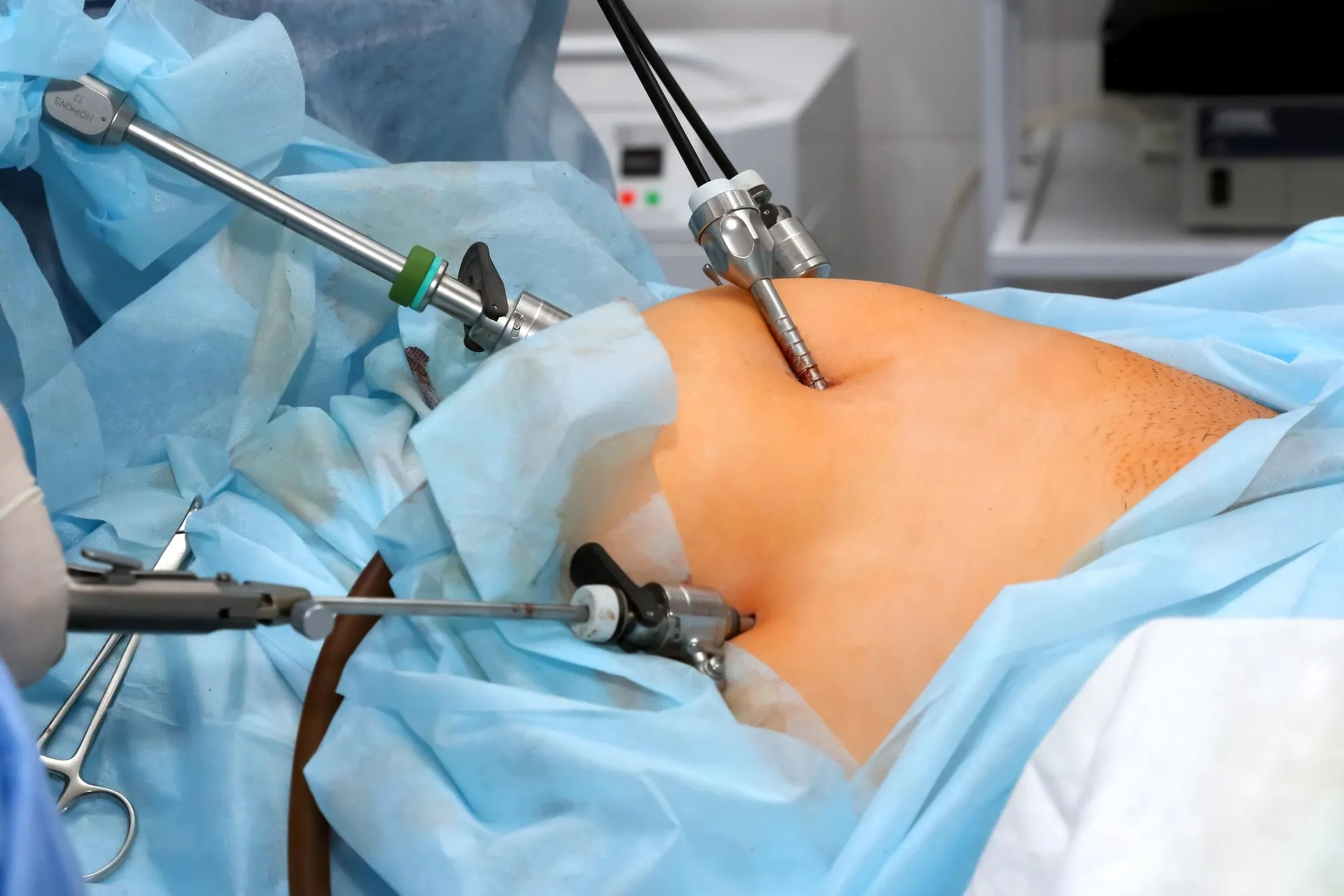
Obesity is one of the biggest health challenges affecting people today. It impacts physical health, emotional well-being, mobility, confidence, and overall quality of life. Many individuals spend years trying different diets, exercise plans, medications, and wellness programs without achieving long-term results. While healthy habits are always important, some people require medical support to reach sustainable weight loss goals.
This is where bariatric surgery can make a life-changing difference. Among the most advanced options available today is robotic gastric bypass surgery. This innovative procedure combines the proven success of traditional gastric bypass with modern robotic-assisted technology that improves precision and supports minimally invasive treatment.
At Nihalani Group LLC, patients receive personalized bariatric care designed to help them safely achieve healthier lifestyles and long-term success. With advanced robotic surgical techniques and compassionate support, the team focuses on improving both physical health and overall confidence.
Understanding Gastric Bypass Surgery
Gastric bypass surgery is one of the most effective and commonly performed bariatric procedures for severe obesity. The surgery works by creating a smaller stomach pouch and rerouting a portion of the small intestine. This helps patients feel full faster while also reducing calorie absorption.
The procedure is often recommended for individuals who struggle with obesity-related health conditions, such as
- Type 2 diabetes
- High blood pressure
- Sleep apnea
- Joint pain
- High cholesterol
- Fatty liver disease
For many patients, gastric bypass surgery becomes more than just a weight loss procedure. It can improve overall health, increase energy levels, and create better long-term wellness outcomes.
Over the years, surgical technology has continued to evolve. Today, robotic gastric bypass surgery offers patients a more advanced and minimally invasive approach to bariatric treatment.
What Is Robotic Gastric Bypass Surgery?
Many people misunderstand robotic surgery and assume a machine operates independently. In reality, the surgeon remains fully in control throughout the entire procedure. The robotic system simply enhances the surgeon’s movements with improved flexibility, stability, and precision.
During robotic gastric bypass surgery, the surgeon uses robotic-assisted instruments controlled from a console. The robotic system translates the surgeon’s hand movements into smaller, more precise actions inside the body.
This technology allows surgeons to perform complex bariatric procedures through small incisions while improving visibility and control during surgery.
The robotic platform offers several advantages, including:
- High-definition 3D visualization
- Greater surgical precision
- Improved movement in tight spaces
- Better control during delicate procedures
- Reduced physical strain for surgeons
These benefits can contribute to smoother procedures and improved patient experiences.
Why Robotic Bariatric Surgery Is Becoming More Popular
Over the last several years, robotic-assisted bariatric surgery has gained significant popularity among both patients and surgeons. One major reason is the patient-friendly nature of minimally invasive surgery.
People considering bariatric surgery often worry about the following:
- Pain after surgery
- Large scars
- Long recovery times
- Surgical complications
- Fear of traditional surgery
Robotic-assisted procedures help address many of these concerns by offering smaller incisions and enhanced surgical accuracy.
Patients often report feeling surprised by how manageable recovery feels compared to what they originally expected. Many individuals can walk shortly after surgery and return to normal activities sooner than with traditional open surgery.
As technology advances, robotic gastric bypass surgery continues to become an increasingly trusted option for individuals seeking long-term weight loss solutions.
Benefits of Robotic Gastric Bypass Surgery
Every patient’s experience is unique, but robotic-assisted bariatric procedures may provide several important advantages.
- Smaller Incisions
Robotic surgery is minimally invasive, meaning surgeons operate through small incisions instead of large openings. Smaller incisions may reduce scarring and improve recovery comfort.
- Greater Precision
The robotic system allows surgeons to make highly controlled movements during surgery. This precision can be especially beneficial during delicate parts of gastric bypass procedures.
- Better Visualization
The robotic platform provides magnified three-dimensional imaging, allowing surgeons to see tissues and anatomy more clearly during surgery.
- Faster Recovery
Many patients experience shorter hospital stays and quicker recovery compared to traditional open surgery.
- Reduced Discomfort
Smaller incisions and minimally invasive techniques often result in less pain after surgery.
- Improved Confidence for Patients
Knowing that advanced technology is being used during surgery can help many patients feel more comfortable and confident about the procedure.
Who May Be a Candidate for Gastric Bypass Surgery?
Bariatric surgery is typically recommended for individuals with severe obesity who have struggled to lose weight through non-surgical methods.
A person may qualify for surgery if they:
- Have a BMI of 40 or higher
- Have a BMI of 35 or higher with obesity-related health conditions
- Experience health complications related to obesity
- Have difficulty achieving long-term weight loss through diet and exercise alone
The best way to determine eligibility is through a consultation with an experienced bariatric surgeon.
At Nihalani Group LLC, every patient receives a personalized evaluation to determine the most suitable treatment approach.
The Consultation Process
Choosing bariatric surgery is a major decision, and the consultation process plays an important role in helping patients feel informed and prepared.
During the initial consultation, the bariatric team may discuss:
- Medical history
- Current medications
- Previous weight loss efforts
- Lifestyle habits
- Nutritional concerns
- Surgical goals
- Emotional readiness for surgery
Patients also learn about different bariatric procedures and what to expect during recovery and long-term care.
The goal is to create a treatment plan tailored to each patient’s individual needs and health goals.
Preparing for Robotic Gastric Bypass Surgery
Preparation is essential for achieving successful long-term outcomes after bariatric surgery.
Before surgery, patients may be asked to:
- Complete medical testing
- Follow a pre-operative diet
- Stop smoking
- Increase physical activity
- Attend nutrition counseling
- Meet with specialists if needed
These steps help reduce surgical risks and prepare the body for recovery.
Mental preparation is also important. Weight loss surgery is a powerful tool, but lasting success requires ongoing lifestyle changes and commitment.
What Happens During the Procedure?
During robotic gastric bypass surgery, the surgeon creates a small stomach pouch and reroutes part of the small intestine. This changes how food travels through the digestive system.
The smaller stomach pouch limits food intake, helping patients feel full after smaller meals. The rerouting of the intestine also reduces calorie absorption.
The robotic system helps the surgeon perform the procedure with enhanced precision and control through small incisions.
The surgery is performed under general anesthesia and usually requires a short hospital stay.
Recovery After Surgery
Recovery experiences vary from patient to patient, but many people are able to begin light activity relatively quickly after minimally invasive surgery.
After surgery, patients follow a carefully structured diet progression that typically includes:
- Clear liquids
- Protein shakes
- Soft foods
- Solid foods
Patients are encouraged to stay hydrated, prioritize protein intake, and gradually increase physical activity.
Walking shortly after surgery is important because it helps improve circulation and supports healing.
Follow-up care is also an essential part of recovery. Regular appointments help monitor:
- Weight loss progress
- Nutritional health
- Vitamin levels
- Lifestyle adjustments
- Emotional well-being
At Nihalani Group LLC, ongoing support remains an important part of the patient journey long after surgery is completed.
Long-Term Benefits of Gastric Bypass Surgery
For many individuals, bariatric surgery creates lasting improvements in both physical and emotional health.
- Significant Weight Loss
Most patients lose a substantial amount of excess body weight during the first one to two years after surgery.
- Improved Medical Conditions
Many obesity-related health conditions improve significantly after weight loss surgery, including diabetes and sleep apnea.
- Increased Mobility
As excess weight decreases, movement often becomes easier and more comfortable.
- Better Energy Levels
Patients frequently report having more energy for work, exercise, travel, and daily activities.
- Improved Confidence
Weight loss can positively impact self-esteem, social confidence, and emotional well-being.
- Better Quality of Life
Many people feel they regain control over activities that once felt difficult due to obesity.
Lifestyle Changes After Surgery
Long-term success after bariatric surgery depends heavily on healthy habits and consistency.
Patients are encouraged to:
- Eat smaller, balanced meals
- Focus on protein intake
- Avoid sugary beverages
- Exercise regularly
- Stay hydrated
- Take recommended vitamins
- Attend follow-up appointments
Weight loss surgery is not a temporary solution. It is a long-term partnership between the patient and their healthcare team.
Why Patients Trust Nihalani Group LLC
Choosing the right bariatric surgeon is one of the most important parts of the weight loss journey.
Nihalani Group LLC provides advanced bariatric care with a strong focus on personalized treatment and patient support. The practice offers minimally invasive and robotic-assisted bariatric procedures designed to help patients achieve safe and sustainable results.
Patients appreciate the practice for its:
- Advanced robotic surgical expertise
- Personalized treatment plans
- Compassionate care
- Long-term patient support
- Focus on patient education
- Modern minimally invasive techniques
The team understands that every patient’s journey is unique and works closely with individuals to create realistic, achievable goals.
The Future of Bariatric Surgery
The future of bariatric surgery continues to move toward less invasive and more precise treatment options.
Robotic-assisted technology is helping improve the surgical experience for both patients and surgeons by offering the following:
- Better precision
- Enhanced visualization
- Smaller incisions
- Faster recovery experiences
- Greater patient confidence
As more healthcare providers adopt robotic-assisted techniques, patients can expect continued improvements in bariatric care and long-term outcomes.
For many individuals struggling with obesity, robotic gastric bypass surgery represents a modern, effective, and patient-friendly approach to long-term weight management.
Final Thoughts
Living with obesity can affect nearly every area of life, from physical health to emotional confidence. While weight loss journeys are different for everyone, advanced bariatric procedures can provide meaningful support for individuals seeking lasting change.
With modern technology, personalized care, and experienced surgical guidance, robotic gastric bypass surgery offers patients a minimally invasive solution designed to support long-term health improvements and sustainable weight loss.
At Nihalani Group LLC, patients receive compassionate care, advanced robotic surgical expertise, and ongoing support throughout every stage of their transformation journey.
Frequently Asked Questions
Q. What is robotic gastric bypass surgery?
A. Robotic gastric bypass surgery is a minimally invasive bariatric procedure performed using robotic-assisted technology that allows surgeons to operate with enhanced precision and control.
Q. Is robotic gastric bypass surgery safe?
A. Like all surgeries, gastric bypass has risks, but robotic-assisted techniques are designed to improve precision and may reduce certain complications when performed by experienced surgeons.
Q. How long does recovery take after surgery?
A. Most patients can return to light activities within a few weeks, although full recovery and lifestyle adjustment may take several months.
Q. How much weight can I lose after gastric bypass surgery?
A. Weight loss varies by patient, but many individuals lose a significant percentage of excess body weight during the first one to two years after surgery.
Q. Will I need to follow a special diet after surgery?
A. Yes. Patients must follow specific dietary guidelines, including portion control, protein intake, hydration, and vitamin supplementation.
Q. Can gastric bypass surgery improve diabetes?
A. Many patients experience major improvements in type 2 diabetes after weight loss surgery due to metabolic changes and reduced body weight.
Q. Am I a candidate for bariatric surgery?
A. Eligibility depends on BMI, medical history, obesity-related conditions, and previous weight loss attempts. A consultation with a bariatric specialist can help determine the best option.
Q. Why choose Nihalani Group LLC for bariatric surgery?
A. Nihalani Group LLC provides advanced robotic-assisted bariatric procedures, personalized care plans, experienced surgical expertise, and long-term patient support focused on sustainable success.
0 Comments