

Introduction
Obesity is a growing health concern that affects millions of people worldwide. Beyond physical appearance, excess weight can increase the risk of serious medical conditions such as type 2 diabetes, high blood pressure, heart disease, sleep apnoea, fatty liver disease, and joint pain. While diet and exercise remain the foundation of healthy weight management, many individuals struggle to achieve long-term results through lifestyle changes alone.
For those seeking an effective, minimally invasive weight-loss solution, endoscopic sleeve gastroplasty has become an increasingly popular option. This advanced procedure helps reduce stomach size without surgery, allowing patients to lose weight safely and effectively while avoiding many of the risks associated with traditional bariatric surgery.
At Nihalani Group LLC, patients receive personalised weight-loss care designed to support lasting success. Through advanced treatments and comprehensive lifestyle guidance, individuals can take meaningful steps toward achieving their health and wellness goals.
What Is Endoscopic Sleeve Gastroplasty?
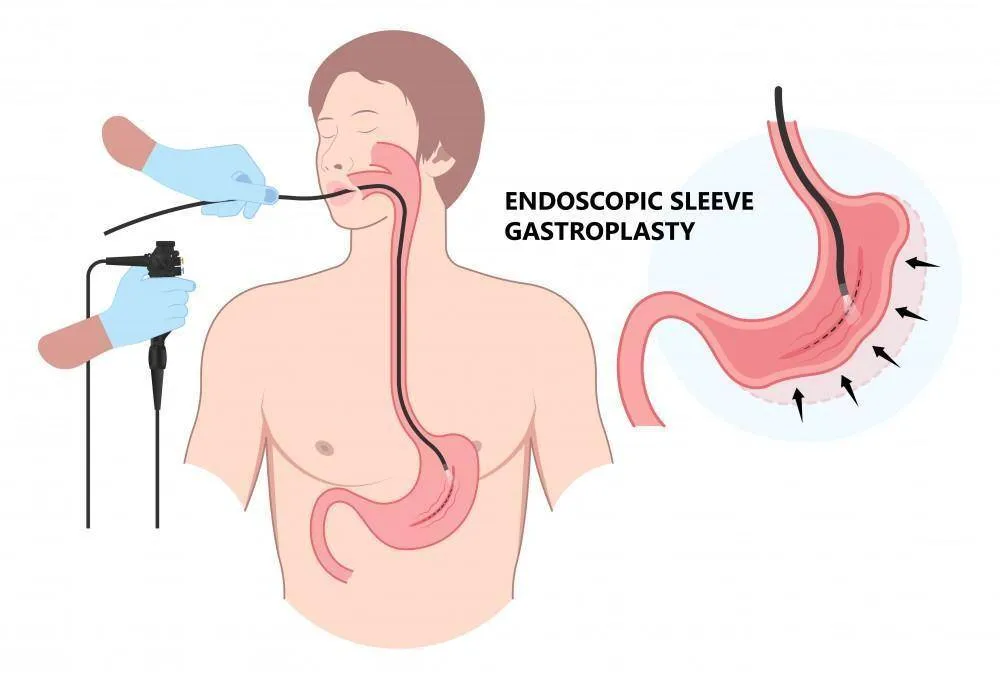
Endoscopic sleeve gastroplasty is a non-surgical weight-loss procedure that reduces the size of the stomach using a specialised endoscopic suturing device. Unlike traditional sleeve gastrectomy, this procedure does not involve removing any part of the stomach.
During the procedure, a flexible endoscope is inserted through the mouth and into the stomach. Using advanced suturing techniques, the physician places stitches inside the stomach to create a smaller, sleeve-like shape. This significantly reduces the stomach’s capacity, helping patients feel full sooner and consume fewer calories.
Because no external incisions are required, ESG is considered a minimally invasive alternative for individuals looking for substantial weight loss without undergoing major surgery.
How Endoscopic Sleeve Gastroplasty Works
The primary goal of endoscopic sleeve gastroplasty is to help patients eat less while still feeling satisfied after meals. By reducing the size of the stomach, the procedure limits the amount of food that can be consumed at one time.
In addition to reducing stomach volume, ESG may also slow the movement of food through the digestive system. This can help prolong feelings of fullness, making it easier for patients to maintain healthier eating habits and avoid overeating.
The procedure supports weight loss by encouraging long-term behavioural changes. Patients often find it easier to control portions, reduce calorie intake, and stay committed to a healthier lifestyle after treatment.
Who May Benefit from ESG?
Many people struggle with obesity despite repeated attempts to lose weight through diet and exercise. ESG may be an ideal option for individuals who:
- Have a Body Mass Index (BMI) of 30 or higher
- Have not achieved lasting weight loss through traditional methods
- Prefer a non-surgical weight-loss procedure
- Want a shorter recovery period compared to surgery
- Are committed to making lifestyle and dietary changes
- Have obesity-related health conditions that could improve with weight loss
A thorough consultation and medical evaluation help determine whether ESG is the most appropriate treatment option for a patient’s specific needs.
Benefits of Endoscopic Sleeve Gastroplasty
One of the main reasons patients choose endoscopic sleeve gastroplasty is its ability to deliver meaningful weight-loss results while remaining minimally invasive.
- No Surgical Incisions
Unlike traditional bariatric procedures, ESG is performed entirely through the mouth. Since there are no external cuts, patients avoid surgical scars and often experience less discomfort.
- Faster Recovery
Recovery time is generally shorter than with traditional weight-loss surgery. Most patients return home the same day and can resume normal activities within a few days.
- Effective Weight Loss
Patients who follow recommended lifestyle modifications often achieve significant and sustainable weight loss. The procedure helps create a strong foundation for long-term success.
- Reduced Risk of Complications
Because there are no surgical incisions and no removal of stomach tissue, ESG typically carries fewer risks than traditional bariatric surgery.
- Improved Overall Health
Successful weight loss can contribute to improvements in several obesity-related conditions, including:
- Type 2 diabetes
- High blood pressure
- Sleep apnea
- High cholesterol
- Joint pain
- Fatty liver disease
- Preserves Stomach Anatomy
Since the stomach remains intact, ESG maintains the natural digestive process while reducing stomach capacity.
The ESG Procedure Step by Step
Understanding the treatment process can help patients feel more comfortable and confident about their decision.
- Initial Consultation
The process begins with a comprehensive medical evaluation. During this appointment, healthcare providers assess the patient’s health history, weight-loss goals, current medications, and overall suitability for the procedure.
- Pre-Procedure Preparation
Patients receive detailed instructions regarding dietary restrictions and preparation before treatment. These guidelines help ensure a safe and successful procedure.
- During the Procedure
The procedure is performed under sedation or anaesthesia. A flexible endoscope equipped with a suturing device is guided through the mouth and into the stomach.
The physician strategically places a series of sutures that reshape the stomach into a smaller sleeve-like structure. This reduces the stomach’s volume while preserving its natural anatomy.
Most procedures are completed within 60 to 90 minutes.
- Recovery Period
Following treatment, patients are monitored for a short period before being discharged. Since there are no incisions, recovery is often faster and more comfortable than traditional surgery.
Recovery After ESG
Recovery experiences vary from person to person, but most patients can expect mild symptoms during the first few days.
Common temporary side effects may include:
- Nausea
- Mild abdominal discomfort
- Cramping
- Fatigue
- Temporary bloating
These symptoms usually improve quickly and can often be managed with medications and proper hydration.
Following post-procedure instructions carefully is essential for optimal healing and successful weight loss.
Diet After Endoscopic Sleeve Gastroplasty
Nutrition plays a vital role in achieving long-term success after ESG. Patients typically follow a gradual dietary progression.
Initially, clear liquids are introduced to allow the stomach to heal properly. This phase may include water, broth, sugar-free beverages, and electrolyte drinks.
As recovery progresses, patients transition to protein-rich liquid foods such as shakes, smoothies, and low-fat dairy products.
Soft foods are gradually added, including yoghurt, eggs, lean proteins, and cooked vegetables.
Eventually, patients move to a balanced diet focused on nutritious whole foods. Long-term dietary recommendations often emphasise the following:
- Lean proteins
- Fresh fruits
- Vegetables
- Whole grains
- Healthy fats
- Adequate hydration
Portion control remains one of the most important factors in maintaining successful weight loss.
Lifestyle Changes for Lasting Results
While endoscopic sleeve gastroplasty can be a powerful tool for weight loss, long-term success depends on a commitment to healthier habits.
- Regular Exercise
Physical activity helps maximise weight loss and improve overall health. Patients are encouraged to gradually increase their activity levels and establish a consistent exercise routine.
- Healthy Eating Habits
Mindful eating practices support better results. Patients are advised to eat slowly, avoid distractions during meals, and stop eating when they feel satisfied.
- Ongoing Medical Support
Regular follow-up appointments allow healthcare providers to monitor progress and provide guidance throughout the weight-loss journey.
- Behavioral Changes
Developing healthier relationships with food can significantly improve long-term outcomes. Many patients benefit from nutritional counselling and lifestyle coaching.
How ESG Differs from Traditional Weight-Loss Surgery
Although both ESG and traditional bariatric surgery aim to support weight loss, there are important differences.
Traditional sleeve gastrectomy involves surgically removing a large portion of the stomach, resulting in permanent anatomical changes. ESG, on the other hand, uses internal sutures to reduce stomach size without removing tissue.
Because ESG does not require surgical incisions, patients typically experience less pain, shorter recovery times, and fewer complications. This makes it an appealing option for individuals seeking a less invasive approach to weight management.
Potential Risks and Considerations
Like any medical procedure, ESG carries some risks. However, complications are generally uncommon when performed by experienced specialists.
Possible risks may include:
- Bleeding
- Infection
- Nausea
- Abdominal discomfort
- Suture-related complications
- Temporary digestive symptoms
A comprehensive evaluation helps minimise risks and ensure patient safety throughout the treatment process.
Expected Weight-Loss Results
Results vary depending on individual circumstances, lifestyle habits, and adherence to medical recommendations.
Patients who actively participate in nutrition programmes and maintain regular physical activity often experience significant weight reduction within the first year following treatment.
In addition to weight loss, many patients report improvements in energy levels, mobility, self-confidence, and overall quality of life.
The key to maintaining results is consistency. Healthy eating, exercise, and ongoing support contribute to lasting success.
Why Choose Nihalani Group LLC?
Selecting the right provider is one of the most important decisions in any weight-loss journey.
At Nihalani Group LLC, patients receive individualised care tailored to their unique needs and goals. The focus is not only on helping patients lose weight but also on improving long-term health and well-being.
Patients benefit from:
- Personalized treatment plans
- Advanced minimally invasive procedures
- Comprehensive evaluations
- Nutritional guidance
- Long-term support and follow-up care
- Patient-centered weight management solutions
The experienced team is dedicated to helping individuals achieve sustainable results and enjoy healthier lives.
Conclusion
For individuals struggling with obesity and seeking an effective alternative to traditional surgery, endoscopic sleeve gastroplasty offers a promising solution. This innovative, minimally invasive procedure reduces stomach size without incisions, helping patients achieve meaningful weight loss while preserving normal digestive anatomy.
When combined with healthy eating habits, regular exercise, and ongoing support, ESG can lead to lasting improvements in weight, overall health, and quality of life.
At Nihalani Group LLC, patients receive expert guidance and personalised care every step of the way. Whether you are just beginning your weight-loss journey or exploring advanced treatment options, ESG may be the tool you need to achieve your long-term health goals.
Frequently Asked Questions (FAQs)
- What is endoscopic sleeve gastroplasty?
Endoscopic sleeve gastroplasty is a minimally invasive weight-loss procedure that reduces stomach size using internal sutures placed through an endoscope.
- How much weight can I lose after ESG?
Weight-loss results vary, but many patients achieve significant and sustained weight reduction when they follow recommended lifestyle changes.
- Is endoscopic sleeve gastroplasty considered surgery?
No. ESG is a non-surgical procedure because it does not involve external incisions or the removal of stomach tissue.
- How long does the procedure take?
Most ESG procedures are completed in approximately 60 to 90 minutes.
- Who is a good candidate for ESG?
Individuals with obesity who have struggled with traditional weight-loss methods and are committed to healthy lifestyle changes may be good candidates.
- How long is the recovery period?
Most patients return to normal daily activities within a few days, although recovery experiences can vary.
- Are there any scars after ESG?
No. The procedure is performed through the mouth, so there are no external scars.
- Can ESG help improve obesity-related health conditions?
Yes. Weight loss following ESG may improve conditions such as diabetes, high blood pressure, sleep apnoea, and high cholesterol.
- Will I need to follow a special diet after the procedure?
Yes. Patients follow a structured diet progression during recovery and are encouraged to maintain healthy eating habits long-term.
- Why choose Nihalani Group LLC for ESG?
Nihalani Group LLC provides personalised treatment plans, advanced weight-loss solutions, and ongoing support to help patients achieve sustainable health and wellness goals.
0 Comments