

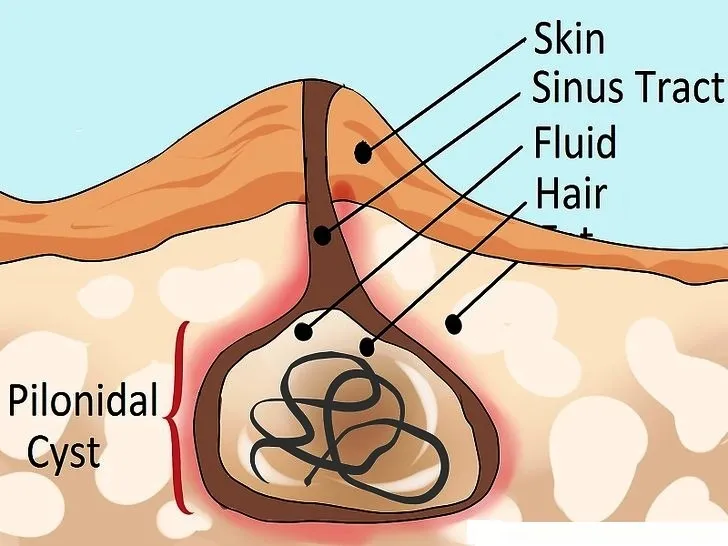
Pilonidal cysts may look small on the outside, but they can be complicated beneath the skin. Some patients experience mild discomfort, while others suffer from repeated infections, swelling, or draining wounds that do not heal easily. In complex cases, correct diagnosis is the most important first step, and this is where experienced pilonidal cyst specialists play a critical role.
The diagnostic process begins with doctors collecting complete details about patients. Doctors inquire about pain assessment and previous medical episodes and current drainage issues and fever symptoms and duration of patient symptoms. Complex medical situations often involve multiple instances of cysts which have returned after receiving partial treatment. Specialists perform thorough investigations of the area to detect sinus tracts and hidden openings and indications of severe infection.
The cyst becomes difficult to see because of its advanced stage development. The actual problem size becomes hidden because of swelling and scar tissue and former surgical alterations. The specialist investigates for hidden indicators which include skin pits and areas of skin sensitivity and hardened skin regions. The methodical process prevents doctors from delivering partial treatments which lead to treatment failures.
Doctors use imaging tests to evaluate complex medical cases which involve multiple cyst occurrences. Ultrasound and other scanning technologies enable doctors to create a map of cysts and sinus pathways that exist beneath the skin. The specialist uses this information to determine disease extent and create an efficient treatment plan.
Treatment Planning by Pilonidal Cyst Specialists for Complex Conditions
Once the diagnosis is clear, treatment planning begins. Not all pilonidal cysts require the same approach. Simple cases may respond to drainage and wound care, while complex cases often need advanced treatment methods to prevent repeated infections.
One important decision is whether the cyst is actively infected. If there is swelling, pus, or fever, the first step may be drainage to relieve pressure and pain. This helps control infection and prepares the area for further treatment. In complex cases, drainage alone is usually not enough, but it provides relief and reduces immediate risk.
Surgical treatment becomes necessary for cysts which have persisted for a long time or which occur repeatedly. Specialists focus on removing not just the cyst, but also the sinus tracts that cause repeated problems. The goal is to treat the root of the condition, not just the symptoms.
Modern treatment methods aim to reduce healing time and discomfort. Specialists apply various methods to treat cases by flattening the cleft area and decreasing hair accumulation while enhancing airflow. The procedure establishes multiple steps which decrease the probability of recurrence because complex cases present major challenges.
Wound management serves as an equal priority to surgical treatment for certain patients. Medical professionals can either let open wounds heal naturally while monitoring patients closely or they can use advanced techniques to close the wounds. Medical professionals need to evaluate three factors which include infection risk, skin condition, and patient lifestyle when making their selection.
Managing Recurrent and High-Risk Pilonidal Cysts
Recurrent pilonidal cysts require extra attention. These cases often involve scar tissue, altered skin structure, or incomplete healing from previous treatments. Specialists take extra care to remove all affected tissue while protecting healthy skin.
Hair control is another important part of treatment. Hair entering the skin is a common trigger for recurrence. Specialists often advise long-term hair management strategies such as shaving, trimming, or laser hair reduction in the affected area.
Lifestyle guidance is also provided. Sitting for long hours, poor hygiene, and excessive sweating can slow healing. Patients are educated on posture, skin care, and daily habits that reduce pressure and moisture in the area.
Pain control and infection prevention are handled carefully throughout the treatment process. Antibiotics may be used when needed, but they are not a long-term solution on their own. True recovery comes from proper surgical care combined with good aftercare.
Importance of Follow-Up and Long-Term Care
Multiple treatments are needed to manage complicated pilonidal conditions. The medical team needs to conduct follow-up appointments which serve two purposes: to observe patients’ healing progress and to identify any signs of disease return. Specialists use wound assessment to evaluate healing progress while they handle scar tissue problems and modify treatment procedures.
Patients are required to report any signs of discomfort or drainage or skin changes at the earliest possible moment. The organization uses early intervention to stop minor problems from developing into major issues. When patients can communicate their needs directly to experts their treatment results improve while their trust in the process increases.
The experience that pilonidal cyst specialists possess brings essential benefits to long-term patient outcomes. The expert can identify hidden diseases which enables him to select an optimal treatment path that he can use to help patients achieve full recovery while decreasing their chances of infections and enhancing their life quality.
A Patient-Focused Approach to Complex Pilonidal Care
Treating complex pilonidal cysts requires more than technical skill. It requires patience, planning, and understanding the physical and emotional discomfort patients face. Many individuals feel frustrated after repeated flare-ups, and clear guidance helps restore confidence.
At Nihalani Group LLC, complex pilonidal cyst cases are approached with careful diagnosis, advanced treatment planning, and long-term care strategies designed to reduce recurrence and support proper healing.
0 Comments