

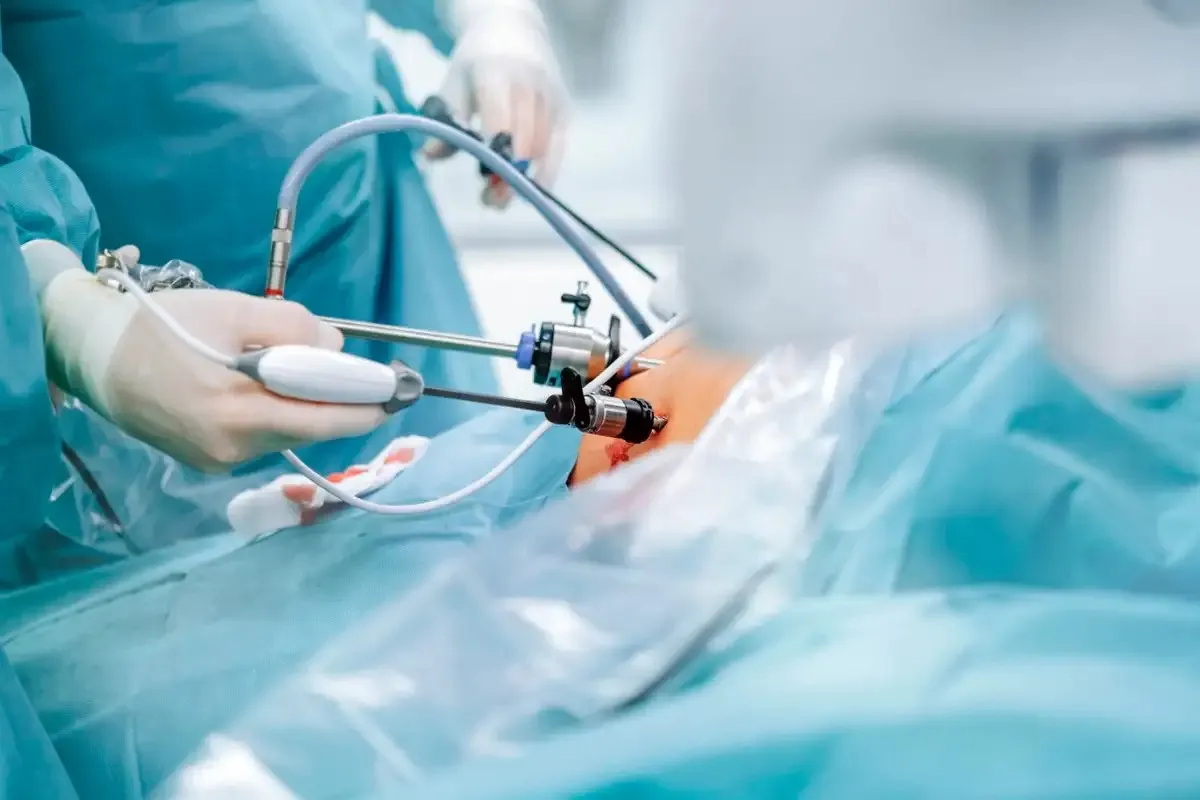
Weight loss surgery is a journey that lasts a lifetime, and it is throughout the whole process of the operating room that one’s change gets to be seen. Though the operation is still important and has a significant influence on the outcome, the long-term results rely predominantly on one’s daily routine, choosing the right foods, and having medical supervision. For a considerable number of patients, laparoscopic gastric bypass surgery is the point in life that they have to change their habits and gain self-confidence. Getting to know what will come next can offer a great deal of support through the patients’ mental and physical preparedness for a long-lasting success.
The weeks and months that follow surgery consist of a series of gradual changes that not only support healing but also contribute to weight loss. From patient meal planning to adjustments in lifestyle, each step leads to better health outcomes. The knowledge of what to expect after surgery is a great source of motivation for the patient and also a means to avoid being faced with the common challenges of recovery.
Understanding Recovery After Laparoscopic Gastric Bypass Surgery
Recovery starts right after operation and lasts for some months. The first few days are very strong in healing and the body is also adjusting to the new way of digestion. Reduced appetite and quicker fullness are very common and are helping with portion control.
Typically, stays in the hospital are very short and a lot of patients are back home in a few days. Gentle movements are allowed and even recommended from the beginning to improve blood flow and reduce the risk of complications. Feeling tired is quite normal in the beginning but gradually, the energy levels will be higher as the body gets used to the new situation. It is very important to follow the doctor’s instructions very carefully at this time for a smooth recovery and long-term comfort.
Dietary Changes and Nutrition Guidelines
After surgery, diet is the second important thing in life. At the very start of the process, patients just take liquids so that the digestive system can heal. Days later, foods are reintroduced in phases, starting with pureed choices and then slowly proceeding to soft and solid ones.
Portion sizes are reduced to a very large extent and eating slowly has become a must. The intake of protein has become the top priority as it is the main factor supporting muscle health and healing. Smoking, drinking and highly processed foods are usually the main causes of discomfort and slow down the process of losing weight, hence they are discouraged. Properly hydrating yourself is as important as having a proper diet, thus, drinking small amounts of water throughout the day is preferred over large sips at once.
It is a good thing for the patients to be aware of their eating habits because this will help them recognize the cues of fullness and they will not overeat. These dietary measures facilitate a gradual loss of weight while at the same time keeping the digestive system healthy.
Daily Care and Lifestyle Adjustments
After surgery, the patient goes through a daily routine of not only different diet but also lifestyle changes supporting health. Daily physical activity is slowly introduced and it begins with walking and low-impact exercise. Finally, patients can add strength training and flexibility workouts as advised by their doctor.
Quality of sleep, stress-relief, and consistency are factors that help to keep results. Many patients opt for a structured routine which helps them in staying focused. Being present in the follow-up visits enables the medical team to take note of the changes in the patient, to change the diet plans, and to solve the patient’s issues before they escalate.
In most cases, patients will need vitamin and mineral supplements as their nutrient absorption has changed. Regular intake of prescribed supplements not only prevents deficiencies but also contributes to the health of the individual in the long term.
Emotional and Mental Well-Being
The surgical procedure to lose weight is likely to affect the emotions of the patient in the same way as the physical health of the patient. Though most of the patients feel motivated by their visible progress, some of them might still have episodes of adaptation that they need to pass through before getting to the new food and body image relationship.
This period is when support networks become very important. Therapy, support groups, or routine interactions with the health care providers can be used as a way of patients managing emotional problems. Celebrating victories that do not relate to the scale, such as improved mobility or better energy levels, helps to keep the motivation alive and it is also through a positive mindset that one can become even more determined.
Expected Results and Long-Term Outcomes
Weight loss due to surgery is usually a gradual process that takes several months. A year is the time when most patients reach their maximum weight reduction, and then a stabilization period follows. The extent of weight loss varies with factors such as dieting, exercising, and one’s health status.
In addition to weight loss, many patients experience the disappearance or reduction of their medical conditions like type 2 diabetes, hypertension, and joint pain. Increased physical fitness, better sleep, and higher self-esteem are also reported. Long-term success is contingent upon good habits and patient-provider relationship.
Surgery should be considered a tool and not the whole picture. When partnered with lifestyle changes, laparoscopic gastric bypass surgery can lead to long term improvement in the quality of life.
Common Challenges and How to Manage Them
The period after surgery is full of adjustments and challenges. For example, some patients might have difficulty estimating their weights, being intolerant to some foods, or experiencing a temporary discomfort during the reintroduction of certain foods. Medical team supervision usually means these problems are easily dealt with.
The main thing is to be patient and flexible. Through following up, the patients can track their diets and water intake and see if there are any changes in their conditions. A little change every now and then can result in a great difference at the end of the period.
Building a Healthy Future After Surgery
Post-surgery life is all about forming habits that will be good for a long time and will provide physical and emotional wellness. Patients who really stick to their plans regarding diet, and exercise, and who go for regular check-ups are the ones who will probably enjoy lasting success.
Throughout this whole process education and support are still very important. With the best guidance patients can create a lifestyle that is balanced, matching both their health goals and personal requirements.
Ultimately, the long-term victory after laparoscopic gastric bypass surgery comes down to making knowledgeable decisions, receiving continuous care, and being dedicated to a healthier lifestyle. Medical professionals like Nihalani Group LLC not only provide educational materials but also personalized care and focus on the long-term results that enhance the overall quality of life that is why they are a constant support to their patients.
0 Comments