

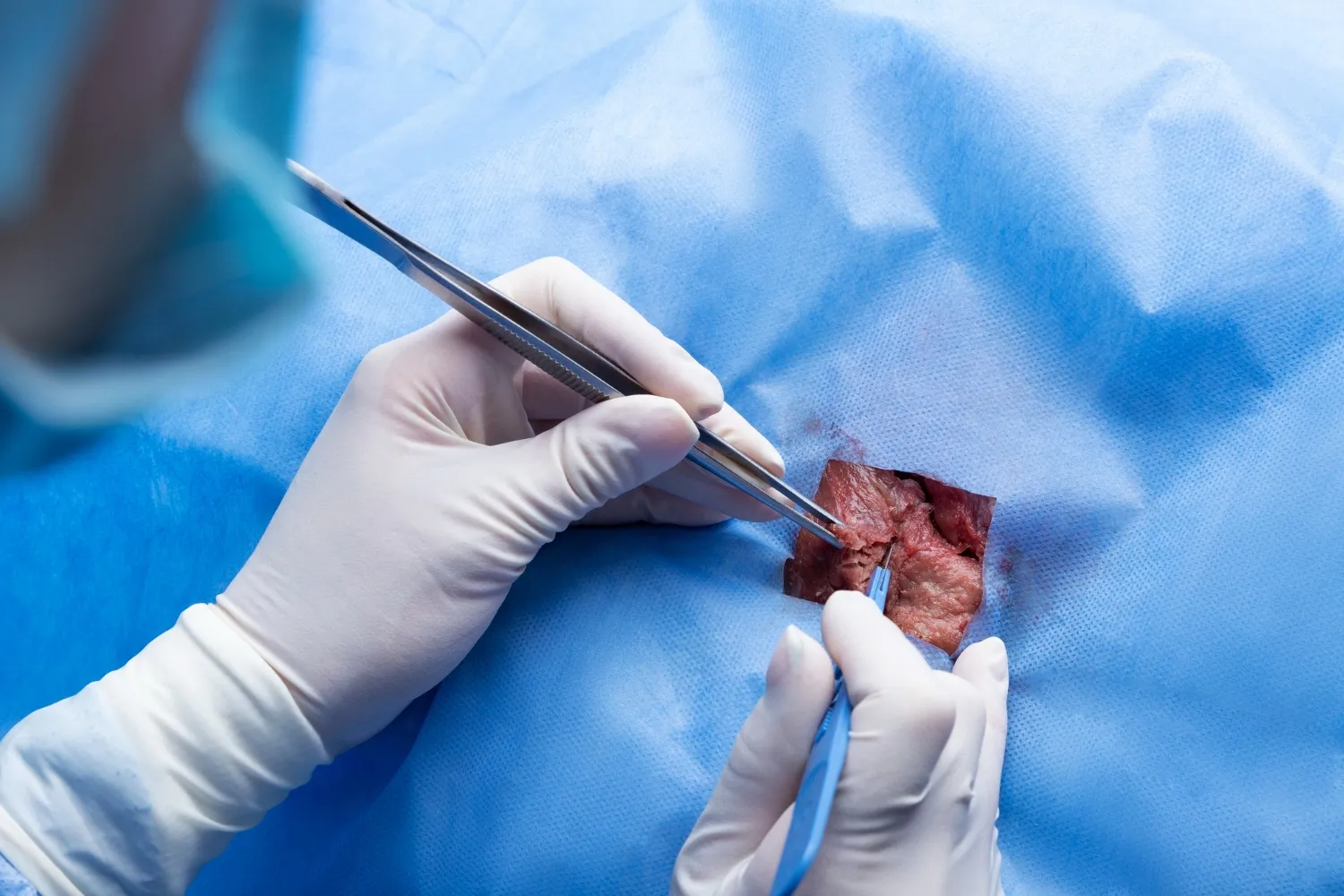
Pilonidal cysts are painful skin conditions that develop near the tailbone, often causing swelling, infection, drainage, and discomfort while sitting or moving. Many people ignore the condition during the early stages, but without proper medical care, it can become chronic and lead to repeated infections. Seeking treatment from experienced pilonidal cyst specialists is one of the best ways to receive an accurate diagnosis, effective treatment, and long-term relief.
Nihalani Group LLC provides advanced surgical care for patients dealing with pilonidal disease. With a patient-focused approach and modern treatment techniques, the clinic helps individuals recover comfortably and reduce the chances of recurrence. Early treatment can prevent complications and improve overall quality of life.
Understanding Pilonidal Cysts
A pilonidal cyst is a pocket that forms under the skin near the top of the buttock crease. These cysts often contain hair, dirt, skin debris, and fluid. When bacteria enter the area, infection can occur, causing pain and inflammation.
In some cases, the cyst may remain small without symptoms. However, infected pilonidal cysts can become extremely painful and may interfere with normal daily activities such as sitting, walking, exercising, or working.
Many patients delay treatment because they feel embarrassed or hope the condition will heal on its own. Unfortunately, untreated pilonidal cysts often return repeatedly and become more difficult to manage over time.
Common Symptoms of Pilonidal Disease
Recognizing symptoms early can help patients receive proper care before the condition worsens. Common signs include:
- Pain near the tailbone
- Redness and swelling
- Tenderness while sitting
- Pus or blood drainage
- Foul odor from the infected area
- Fever during severe infection
- Small openings or pits in the skin
Some individuals experience repeated flare-ups that become increasingly painful. Chronic infections may create tunnels beneath the skin known as sinus tracts, which usually require surgical treatment.
What Causes Pilonidal Cysts?
Although the exact cause may vary, hair and friction are believed to play a major role in pilonidal disease. Loose hair can become trapped beneath the skin, leading to irritation and infection.
Several factors increase the risk of developing pilonidal cysts, including:
- Excess body hair
- Prolonged sitting
- Obesity
- Tight clothing
- Poor hygiene
- Excessive sweating
- Sedentary lifestyle
- Family history
Young adults and men are more commonly affected, but women can also develop the condition.
Why Choosing Pilonidal Cyst Specialists Matters
General treatment may only provide temporary relief, while experienced pilonidal cyst specialists focus on treating the root cause of the condition. Specialists understand the complexity of pilonidal disease and can recommend advanced treatment methods that help reduce recurrence.
At Nihalani Group LLC, patients receive personalized treatment plans based on the severity of their condition, medical history, and recovery goals. The clinic focuses on patient comfort, safety, and long-term healing.
Diagnosis of Pilonidal Cysts
Diagnosis typically begins with a physical examination. A specialist carefully evaluates the affected area to identify infection, swelling, drainage, or skin openings.
In more severe or recurring cases, additional evaluation may be needed to determine the depth of sinus tracts beneath the skin. Early diagnosis often allows for easier treatment and quicker recovery.
Treatment Options for Pilonidal Cysts
Treatment depends on the severity of the infection and whether the condition is recurring.
1. Drainage of Infection
If the cyst is infected and filled with pus, drainage may be necessary to relieve pain and pressure. This procedure helps reduce swelling and infection quickly.
While drainage provides temporary relief, it may not eliminate the problem if the cyst returns later.
2. Surgical Removal
Chronic or recurring pilonidal cysts often require surgery to remove infected tissue and sinus tracts. Surgical treatment helps lower the risk of future infections and provides long-term relief.
3. Minimally Invasive Procedures
Modern treatment approaches may involve minimally invasive techniques that result in smaller incisions, reduced discomfort, and faster recovery times.
4. Hair Management
Hair removal around the affected area can help reduce recurrence. Some patients may benefit from laser hair reduction after surgery.
Benefits of Modern Surgical Care
Choosing skilled pilonidal cyst specialists offers several important advantages:
- Accurate diagnosis
- Personalized treatment plans
- Reduced recurrence rates
- Faster healing
- Improved comfort during recovery
- Better long-term outcomes
- Comprehensive follow-up care
Nihalani Group LLC focuses on modern surgical methods designed to support effective healing while minimizing downtime for patients.
Recovery After Pilonidal Cyst Surgery
Recovery time depends on the type of procedure performed and the severity of the condition. Some patients can return to light activities within a few days, while complete healing may take several weeks.
Following postoperative instructions carefully is important for proper healing and preventing complications.
Recovery recommendations may include:
- Keeping the area clean and dry
- Avoiding prolonged sitting
- Wearing loose clothing
- Managing hair growth near the treatment area
- Attending follow-up appointments
- Maintaining proper hygiene
Patients who follow their doctor’s instructions carefully often experience smoother healing and lower recurrence rates.
Preventing Recurrence
Even after successful treatment, prevention remains extremely important because pilonidal disease can return if contributing factors are not addressed.
Helpful prevention strategies include:
- Maintaining good hygiene
- Keeping the area free from excess hair
- Avoiding prolonged pressure on the tailbone
- Wearing breathable clothing
- Staying physically active
- Maintaining a healthy weight
Experienced pilonidal cyst specialists usually provide personalized recommendations based on each patient’s risk factors and lifestyle.
When to Seek Medical Attention
Patients should seek professional care if they experience:
- Persistent pain near the tailbone
- Swelling or redness
- Drainage of pus or blood
- Fever or chills
- Difficulty sitting comfortably
- Repeated infections
Ignoring symptoms can lead to worsening infection and more complicated treatment in the future.
Why Patients Trust Nihalani Group LLC
Patients choose Nihalani Group LLC because of its commitment to compassionate care and advanced treatment solutions. The clinic focuses on creating customized treatment plans that support long-term healing and patient comfort.
Patients benefit from:
- Personalized consultations
- Advanced surgical expertise
- Minimally invasive treatment options
- Comprehensive postoperative care
- Patient-centered support
- Modern medical techniques
The clinic understands that pilonidal disease can affect both physical comfort and emotional well-being. Providing supportive and respectful care is an important part of the treatment process.
The Importance of Early Treatment
Many patients try home remedies or delay treatment because symptoms improve temporarily. However, pilonidal cysts frequently return and may become more severe over time.
Early treatment from qualified pilonidal cyst specialists can help prevent chronic infections, reduce discomfort, and lower the risk of extensive surgery later.
Receiving proper care early often results in easier recovery and better long-term outcomes.
Modern Approaches to Pilonidal Disease
Advancements in surgical techniques have significantly improved pilonidal cyst treatment. Traditional procedures sometimes required large incisions and lengthy recovery periods. Today, many modern treatments focus on minimizing discomfort and helping patients return to normal activities sooner.
Nihalani Group LLC uses advanced treatment approaches tailored to each patient’s condition and recovery needs.
Emotional Impact of Pilonidal Disease
Pilonidal cysts can affect more than physical health. Chronic pain, drainage, and recurring infections may impact confidence, work performance, exercise routines, and social activities.
Many patients feel frustrated after experiencing repeated infections or failed treatments. Receiving professional care from experienced specialists can provide both physical relief and peace of mind.
Successful treatment often improves comfort, confidence, and overall quality of life.
Personalized Care Makes a Difference
Every patient experiences pilonidal disease differently. Some individuals may have mild symptoms, while others suffer from chronic infections and recurring abscesses.
That is why personalized care is so important. Experienced pilonidal cyst specialists evaluate each case individually to determine the most effective treatment plan.
Nihalani Group LLC focuses on delivering customized care that supports long-term healing, comfort, and prevention.
Conclusion
Pilonidal cysts can become painful and disruptive if left untreated. Seeking care from experienced pilonidal cyst specialists is one of the best ways to achieve lasting relief and reduce the risk of recurrence.
Nihalani Group LLC provides advanced treatment options, personalized care plans, and compassionate support to help patients recover confidently. Early diagnosis and proper treatment can prevent complications, improve comfort, and help patients return to normal daily activities faster.
Frequently Asked Questions (FAQs)
Q. What is a pilonidal cyst?
A. A pilonidal cyst is a pocket under the skin near the tailbone that often contains hair, debris, and fluid. It can become infected and painful.
Q. What causes pilonidal cysts?
A. Hair penetration, friction, prolonged sitting, sweating, and poor hygiene are common factors that contribute to pilonidal disease.
Q. Are pilonidal cysts dangerous?
A. Most pilonidal cysts are not dangerous, but untreated infections can become painful and recurrent if left untreated.
Q. Can pilonidal cysts heal without surgery?
A. Small cysts may temporarily improve, but recurring or infected cysts often require professional medical treatment or surgery.
Q. How do pilonidal cyst specialists treat the condition?
A. Experienced pilonidal cyst specialists may use drainage procedures, surgical removal, minimally invasive techniques, and preventive care plans.
Q. Is pilonidal cyst surgery painful?
A. Modern surgical techniques and proper pain management help reduce discomfort during recovery.
Q. How long does recovery take?
A. Recovery time depends on the severity of the condition and the treatment method used. Many patients resume normal activities within days or weeks.
Q. Can pilonidal cysts come back after treatment?
A. Yes, recurrence is possible, but proper surgical treatment and preventive care can significantly lower the risk.
Q. How can I prevent recurrence?
A. Maintaining hygiene, reducing hair buildup, avoiding prolonged sitting, and following your doctor’s recommendations can help prevent recurrence.
Q. Why choose Nihalani Group LLC?
A. Nihalani Group LLC provides advanced treatment options, personalized care, and modern surgical expertise for effective pilonidal cyst management.
0 Comments