

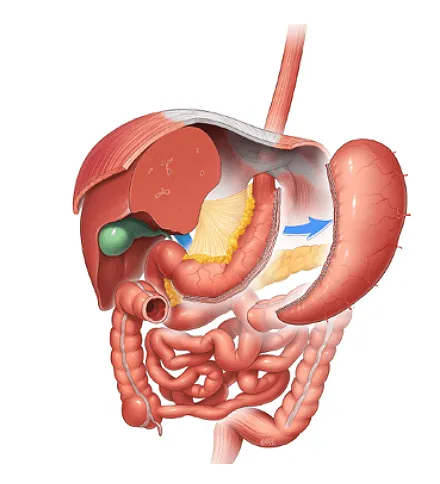
Remove 70-80% of stomach and connects duodenum to ileum (no anastamosis)
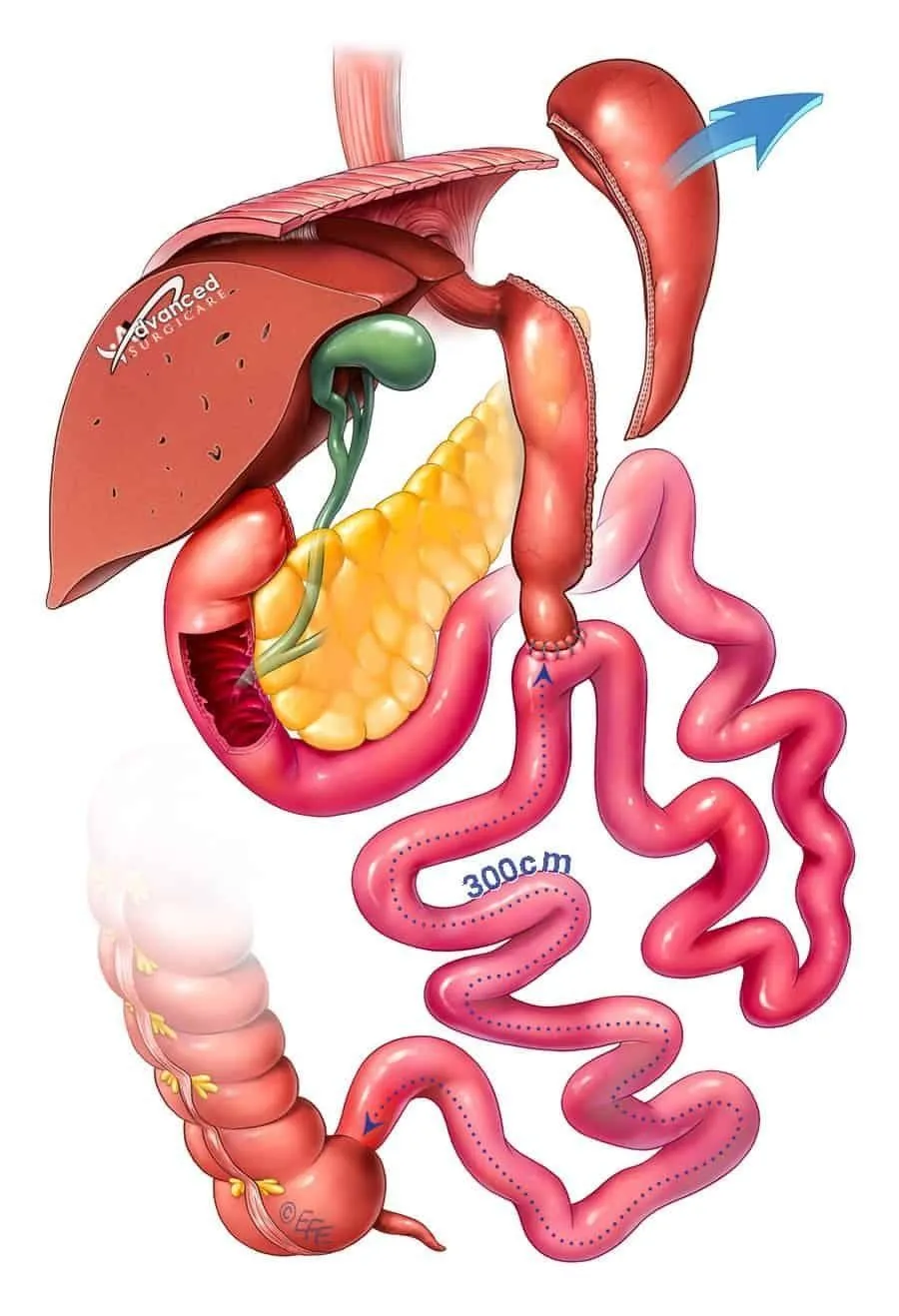
Remove 70-80% of stomach and connects duodenum to ileum (1 anastamosis)
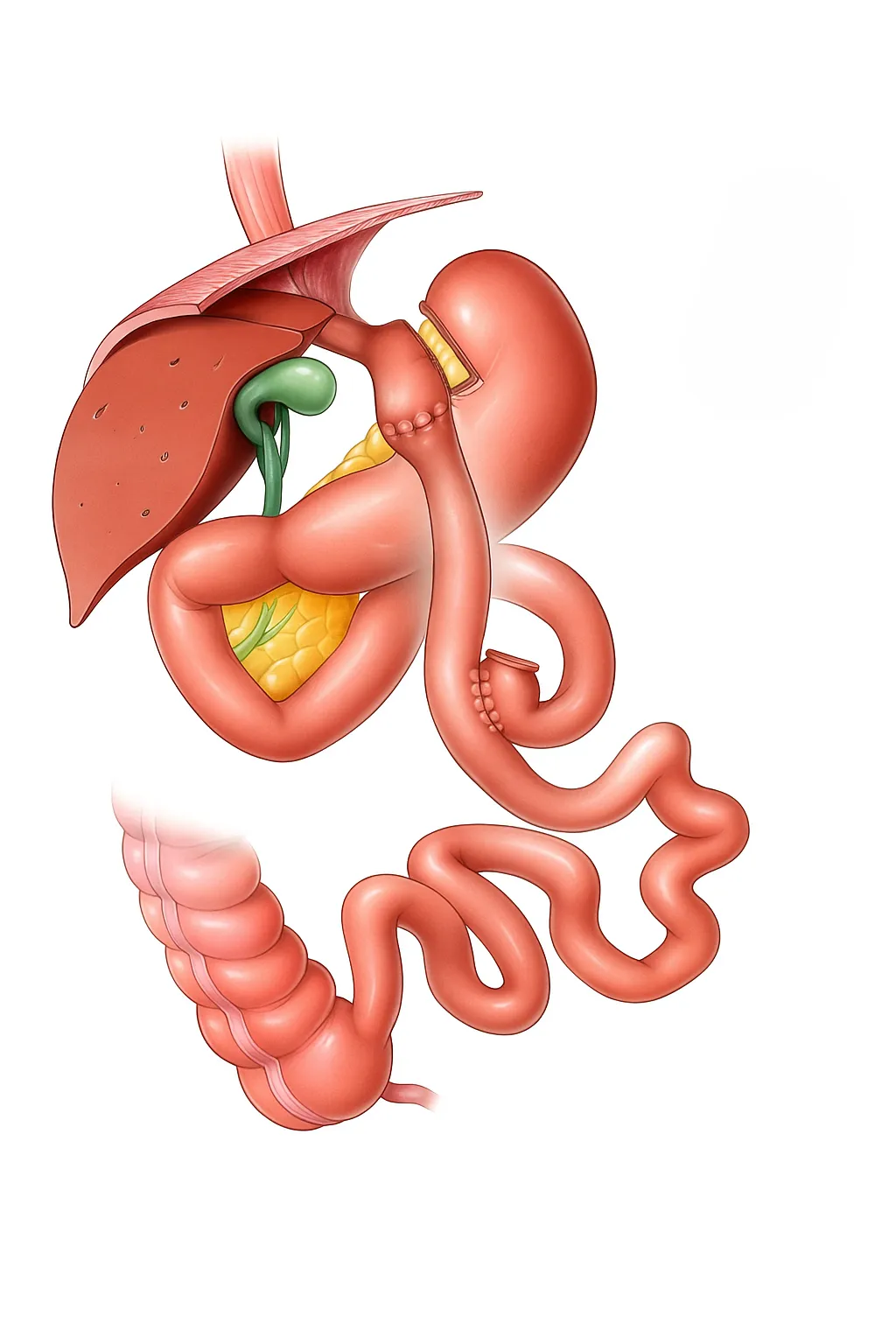
Small pouch from the stomach and connecting pouch directly to the smal intestine(2 connections or anastamosis)
Our Locations
Choose your preferred location
Frequently Asked Questions
What makes Sleeve, SADI-S, and Bypass different in how they affect digestion?
Each one of these methods has different impacts on digestion. The Sleeve procedure has the most significant impact on digestio the stomach size reduction. The SADI-S procedure, on the other hand, limits stomach size but also creates a new pathway for the small intestine to affect nutrient absorption. Gastric Bypass not only decreases the stomach but also reroutes the food causing both appetite and absorption changes. The surgery’s aftereffects will be determined by how much digestive alteration was caused by each technique.
Why do weight-loss results vary between Sleeve, SADI-S, and Bypass?
Weight loss depends on how strongly each procedure lowers appetite and changes the body’s ability to absorb calories. The Sleeve relies mostly on portion control. SADI-S and Bypass add an additional metabolic effect because they alter the intestinal path. That’s why some people lose weight faster or maintain results longer with SADI-S or Bypass.
How do daily eating habits differ after each procedure?
After Sleeve surgery, several people report that they get full very fast and basically smaller servings are now their preference. By SADI-S and Bypass, the size of the servings is still the same, but the selection of the food requires more concentration as some items may be hard to digest or give a feeling of fullness. In the long run, all three operations foster quiet and considerate eating—and every one of them shows you different patterns regarding hunger and satisfaction.
Is there any variation in recovery time between Sleeve, SADI-S and Bypass?
Generally, the Sleeve is the shortest of them all because of its lower complexity. In case of SADI-S and Bypass, the internal rerouting is done which may take the body a little longer to adjust. Still, most patients after all three surgeries are up and walking on the same day and getting back to their normal routines in about two weeks.
Which procedure usually involves more long-term vitamin support?
All bariatric surgeries require supplements, but the level varies. The Sleeve generally needs the least ongoing support. SADI-S and Bypass require more consistent vitamin monitoring because they change nutrient absorption. Regular check-ins ensure energy levels, bone health, and bloodwork stay balanced.
How does each surgery impact conditions like diabetes or high blood pressure?
The Sleeve can improve metabolic conditions by reducing hunger hormones and supporting weight loss. SADI-S and Bypass tend to have a stronger effect because they influence gut hormones more directly. Many patients see improvements early in their recovery, even before major weight loss begins.
Contact with us!
Have questions or concerns? Fill out the form below and we’ll be happy to assist you.