

Lipoma Specialist
What is a lipoma?
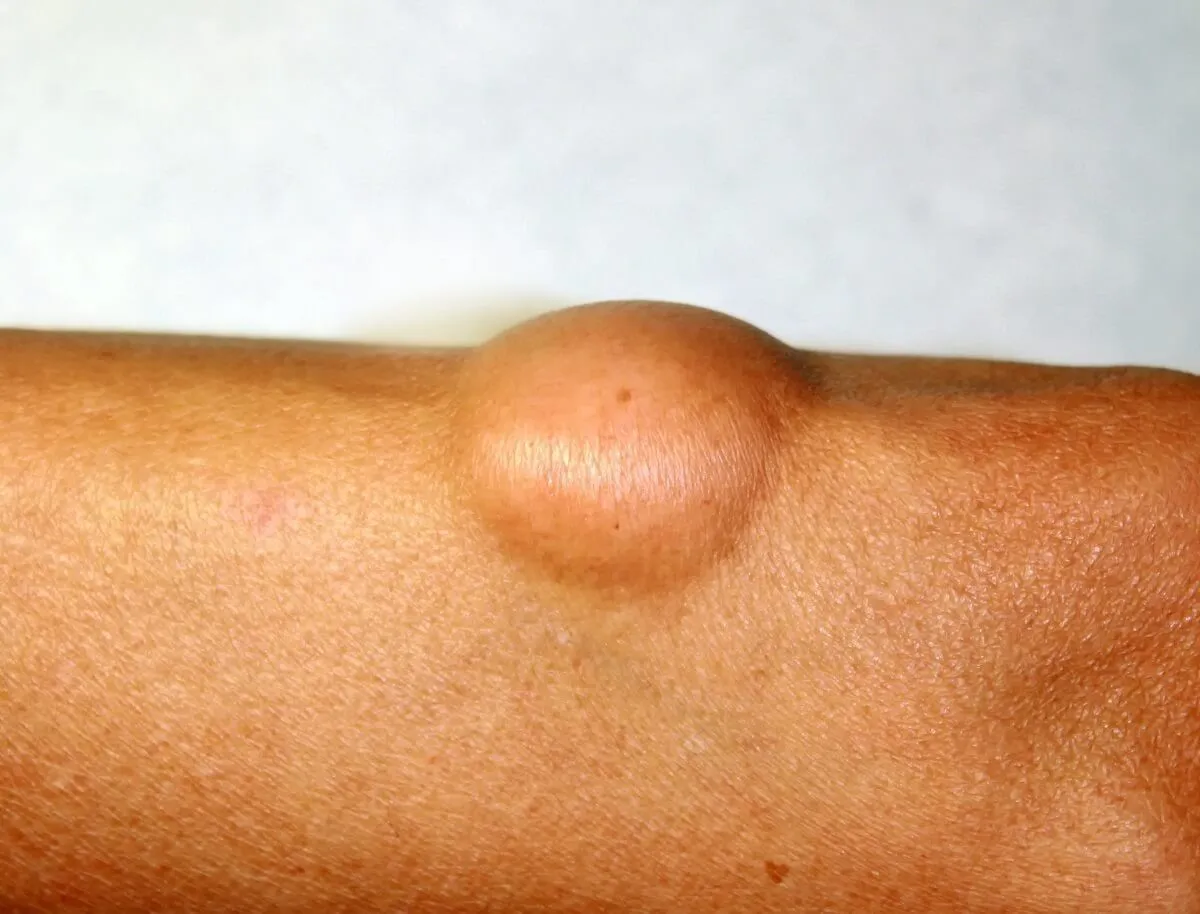
Lipomas are fatty tumors or growths that usually form just below the surface of the skin. The fat cells are contained in a very thin membrane, and the growths are not cancerous, nor do they develop into cancer. Lipomas can form anywhere on the body, but they most often develop on the upper arms or legs, neck or torso. Some people have multiple lipomas. The underlying cause of lipoma development and growth is unknown, but researchers think the growths may develop as a result of a minor injury. Genetics may also play a role.
What symptoms can lipomas cause?
Lipomas can range in size, usually ranging from less than a half inch to just over an inch in diameter, and they can be felt as soft, movable masses under the skin. Most lipomas don’t cause pain or other symptoms, and they tend to grow very, very slowly. As the lipoma grows, it may interfere with normal movement and cause irritation, and it can also become visible to others, resulting in a cosmetic issue that can cause the patient to feel self-conscious.
How are lipomas treated?
Lipomas are typically easy to diagnose during a physical exam. Those that cause no symptoms usually are not treated, but in a few cases, removal may be advised to ensure the growth is a lipoma and not a cancerous tumor or an ultrasound may be ordered by a lipoma removal specialist. When a lipoma becomes large, causes pain or becomes infected, it can be removed surgically. Lipoma removal is performed on an outpatient basis using a local anesthetic and sometimes sedation, depending on the size and location of the growth. An incision is made over or next to the lipoma and the growth is carefully removed. The incision site is closed using small sutures and a protective dressing is applied to keep the site clean during the initial stages of healing. Lipomas located in deep areas or areas that are not easily accessed through simple, small incisions in the skin may need to be removed during a surgical procedure performed under deeper IV sedation or general anesthesia.
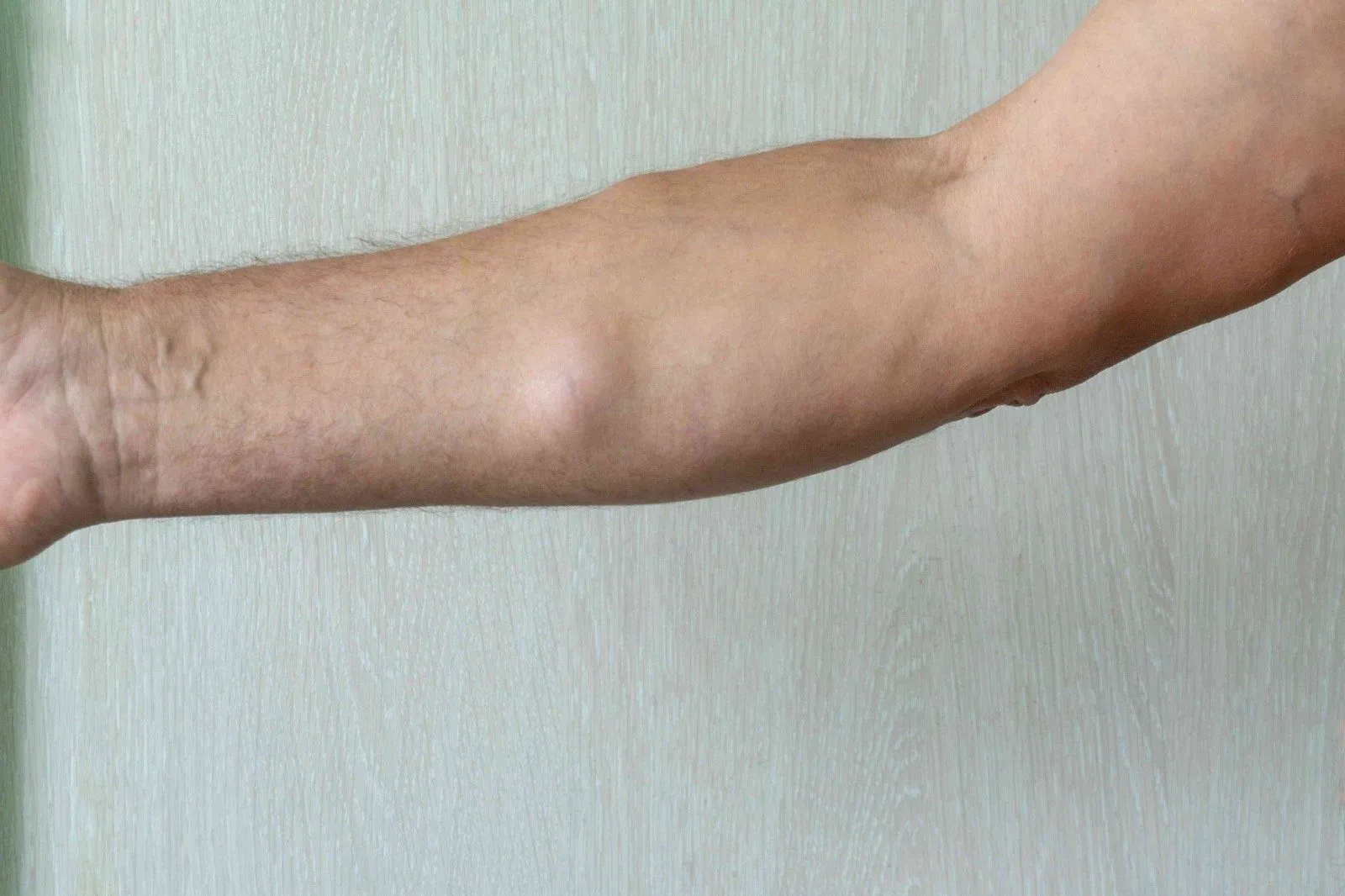
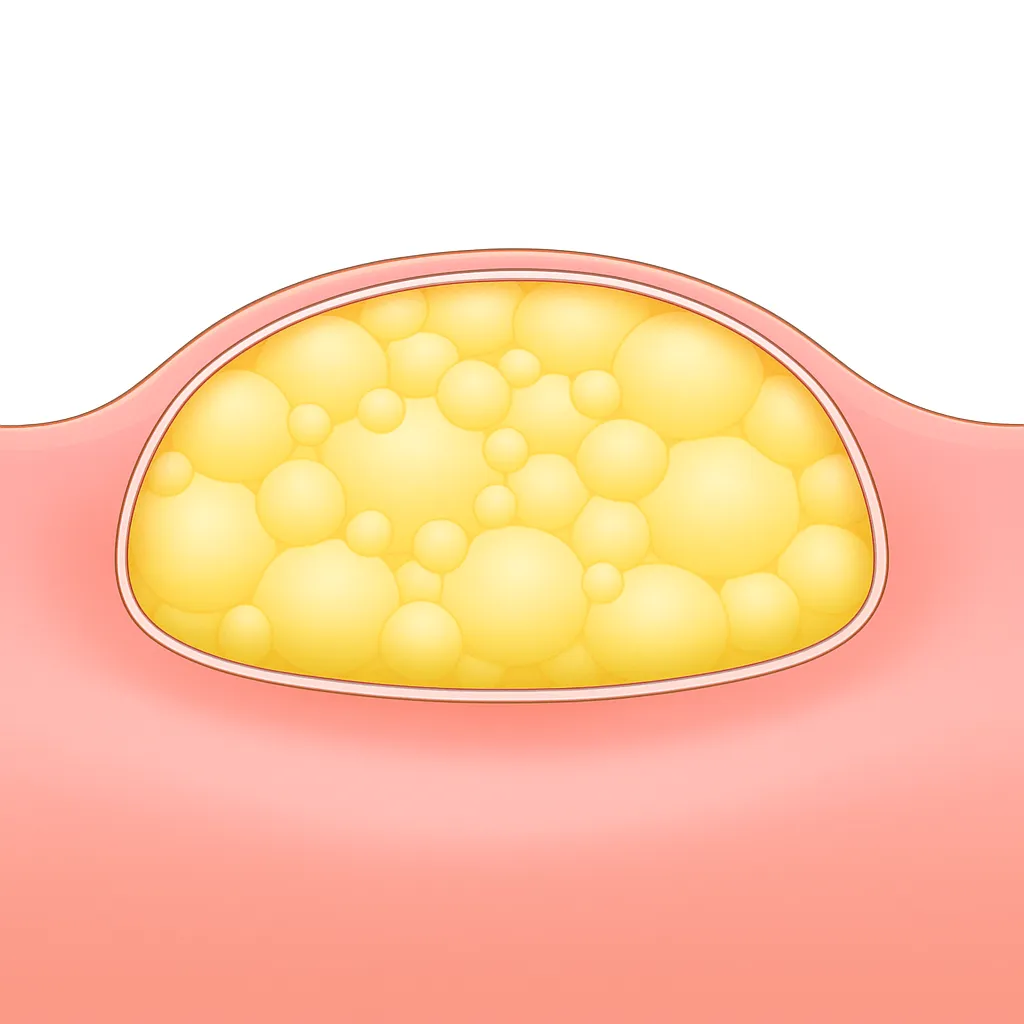
A lipoma usually appears as a smooth, round, and soft lump beneath the skin, often encased in a thin capsule. In medical diagrams, it is shown as a yellowish mass of fat cells that is well separated from the surrounding tissue. This clear boundary is what makes lipomas non-invasive and harmless compared to malignant growths.
The lump may slightly raise the surface of the skin, giving it a dome-shaped appearance. Even though it can be noticeable, especially when it grows larger, the mass remains mobile when touched and does not adhere to the deeper layers of muscle or bone. This distinct visual and physical characteristic helps doctors easily differentiate lipomas from other types of tumors.
Testimonials
Words from our patients

“I’m a nurse and kind of difficult to deal with… Dr. Nihalani put me at ease on my first visit.”*

“Office staff was experienced and helpful, Dr.Nihalani’s bedside manner was proffesional and refreshing.”*

“Let me just say, this man saved my life…I have lost close to 100lbs and am far from where I was a year ago. I couldn’t thank them all enough.”*

“Dr. Nihalani gave me my life back. He have save my life. I could not walk, and now I walk twice a day and I feel so good and I can play with my grandson again”*
“Dr. Nihalani Paid Special attention and took extra precautions to make me feel at ease with the decision to literally save my life.”*
“Dr Nihalani is a amazing dr and person, I am so grateful to have been lucky enough to end up in his office. He has made my life whole again”*
“Dr Nihalani is one of most caring,genuine surgeons. I have recommended him very highly and will continue to do so.”*
“Dr. Anish Nihalani is a highly-qualified, caring doctor. I would recommend him to anyone who wants a good, compassionate doctor.”*
“Dr Anish Nihalani was my number 1 choose for my gastric sleeve , I have no regrets on getting that surgery”*
“Best Dr by far… he has truelly changed my life!! I would recommend him to anyone who asks!”*
“He is a great doctor, always addressing your concerns, explains everything in detail he is fabulous.”*
Thank you Dr Nihalani for changing my life for the best! You and your staff and very professional and make your patients feel very comfortable with the whole process!”*

“This office has changed my life. Dr. Nihalani, Sara Shama, and the staff have been my guide, mentors and strength on my journey.”*
“Dr. Nihalani is a caring & wonderul Dr. I have lost weight and my self esteem is better. Thank you Dr. Nihalani “*
“Attentive to the patient’s needs by having good listener skills, Treats patient as a family member than a number, relatable with good bedside manner. “*

Our Locations
Choose your preferred location
Frequently Asked Questions
When should I worry about a lump and see a lipoma removal specialist?
If you find a lump and it’s been sitting there for a while, it’s completely normal to feel unsure about it. Most of these bumps turn out to be harmless, but if it’s changing, getting in the way, or you just can’t stop thinking about it, it’s worth having someone who deals with these every day take a look. Sometimes you just need someone to say, “Yeah, this is fine,” and that alone feels better.
How does a lipoma removal specialist usually confirm it’s a lipoma?
Honestly, it usually doesn’t take much. A quick exam, a bit of gentle pressure on the lump, and the doctor can often tell right away. Lipomas have a very familiar feel to them. If there’s anything at all that doesn’t seem typical, they might send you for a simple scan — not a big test or anything dramatic, just enough to be sure so you’re not left guessing.
What is the actual removal like?
Most people expect it to be a big deal, and then afterward they say, “Oh… that’s it?” Once the area is numb, you really don’t feel pain. Maybe a little pushing around, but nothing sharp. The doctor makes a small opening, lifts the lipoma out, and closes it. It’s surprisingly quick. Many people are already planning the rest of their day right after.
Can the same lipoma grow back after it’s taken out?
Once that particular lipoma is gone, it’s pretty much gone for good. Some people do get new ones later on, which can be frustrating, but that’s just how their body tends to behave. If another lump ever shows up, you can always have someone check it — no need to sit and worry about it on your own.
How long does it take to feel normal again?
Most folks are back to their routine faster than they expect. A little soreness for a couple of days is normal, but it’s not something that keeps you from moving around or doing regular things. The small incision heals up steadily with simple care. Before long, you barely remember you had anything done.
Contact with us!
Have questions or concerns? Fill out the short form below to connect with us.