

Robotic Gastric Sleeve
What is robotic weight loss surgery?
Dr. Nihalani can perform bariatric (weight loss) surgery using a robot called the da Vinci Robotic System. Robotic surgery uses small incisions instead of a large abdominal incision and therefore is less invasive than traditional bariatric surgery.
How is robotic weight loss surgery performed?
Surgeon-guided da Vinci robotics deliver weight-loss surgery through tiny incisions with 3D magnified vision and ultra-precise movements—for exceptional accuracy and a smoother recovery
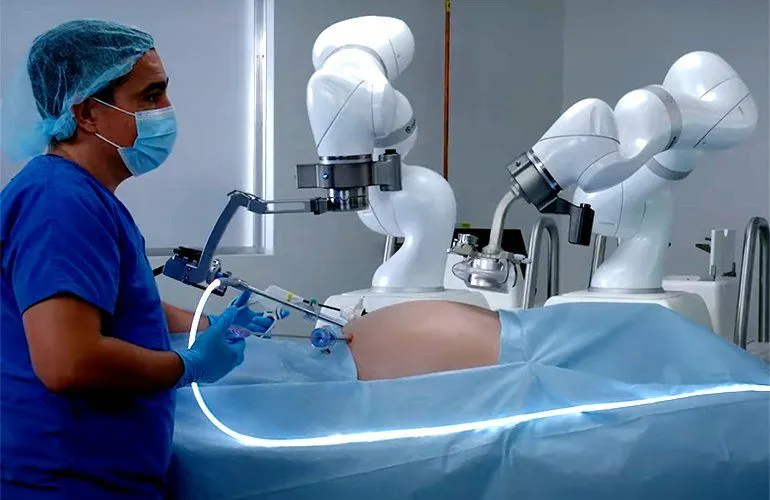
Robotic weight loss surgery is performed using the da Vinci Robotic Surgery System. The da Vinci robot is a surgical assistance tool that enables bariatric surgeons to perform weight loss surgery using computer-guided, magnified, 3-D visualization.
A surgeon will maneuver the robot through small incisions in the patient's abdomen. Using four robotic arms, the surgeon will make movements and the robot will translate the movement into ultra-precise movements inside your body.
Who is a candidate for robotic surgery?
Candidates typically include patients with BMI ≥40, or ≥35 with diabetes or high blood pressure—where surgeon-guided robotic 3D visualization and ultra-precise control enhance safety, accuracy, and recovery.
Patients who are severely obese may be candidates for robotic surgery. Severely obese is considered anyone with a Body Mass Index of greater than 40. This translates to someone who is more than 100 pounds overweight.
You may also be a candidate if you have a BMI over 35 in combination with medical conditions such as diabetes or high blood pressure.
The increased visualization that the robotic system offers gives the surgeon more control over movements for the severely obese patient.
Robotic Sleeve Gastrectomy Procedure
Advanced robotic assistance means precise sleeve creation, minimal trauma, and quicker return to life—small incisions, big results.
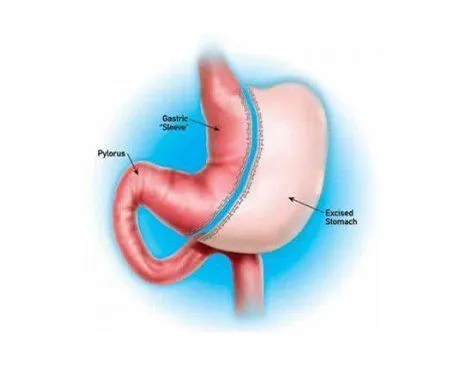
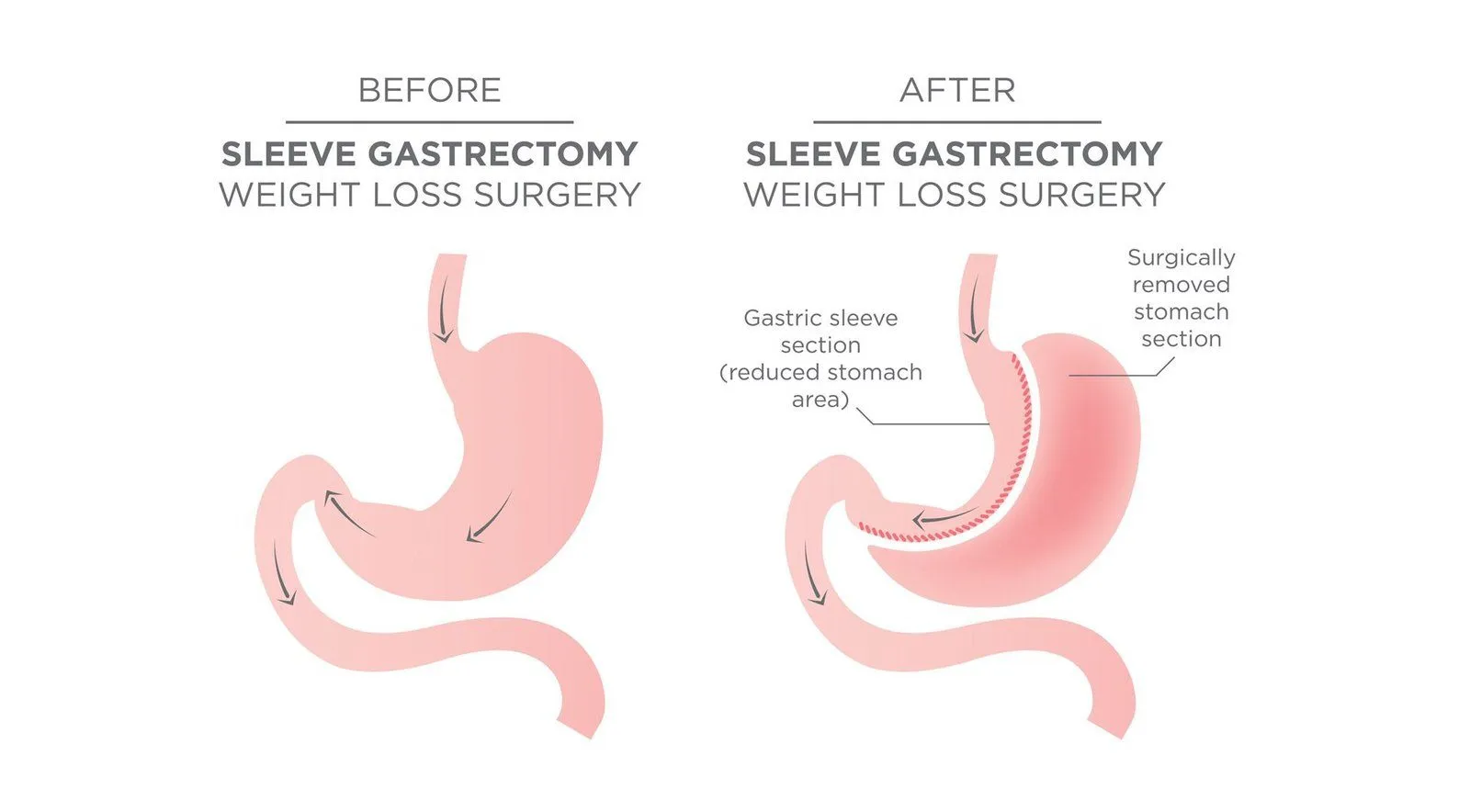
During a robotic gastrectomy, surgeons make a few small incisions in the abdomen and are assisted by a robotic platform to help perform the surgery. A camera enables the surgeon to see inside the body while using tools to cut the stomach vertically into two sections. The larger section is removed and the remaining stomach is stapled shut, which creates the sleeve shape.
This procedure is typically performed using the da Vinci® Robotic Surgical System. Robotic-assisted surgery provides surgeons with much improved visualization and greater dexterity, and it’s a less invasive approach compared to traditional open surgeries. Benefits to the patient can include smaller incisions, less blood loss and quicker recovery.
What are the advantages to Robotic Gastric Sleeve Surgery?
Surgeons remove the part of the stomach that is the main producer of hunger hormones. Once it’s gone, you’ll feel hungry less often. A subdued appetite combined with a smaller stomach will help you lose weight. Most patients can expect to lose 60 to 70 percent of excess body weight over one to two years after the procedure.
Compared to gastric bypass surgery, the procedure itself is less invasive because the intestines are not detached or rerouted. Post surgery, of this minimally invasive procedure, patients can also expect:
- A shorter hospital stay at medical facility
- Low rate of gastrointestinal leaks
- Low risk of needing follow-up surgery
Benefits of gastric sleeve surgery
The da Vinci Surgical System gives Dr. Nihalani an increased view of the stomach and surrounding organs, which enables him to be more precise and controlled in during surgery.
Compared to conventional laparoscopic weight loss procedures, robotic bariatric surgery may offer patients numerous potential benefits, including:
- Quicker recovery
- Reduced pain and scarring
- Quicker return to regular routine
- Fewer complications
- Less trauma to the body
- Lower infection rates
- Shorter hospital stays
- Much lower rate of gastrointestinal leaks
- Lower risk of needing follow-up surgery
Risks of robotic weight loss surgery
As with any surgery, there are risks associated with robotic weight loss surgery. Risks include:
- Leaking from area where bowel was reconnected during surgery
- Leaking from area where bowel was cut
- Dehydration
- Nutrition deficiencies
- Food moves too quickly from stomach into small intestine
Recovery from robotic weight loss surgery
Most patients who have robotic bariatric surgery can expect a two- to three-week recovery period after surgery. Rest is critical during the recovery period to allow your body to heal.
It is also important to follow your doctor’s instructions on how many calories you should be consuming during this period. You should not exercise during the recovery period.
Collaborate with your bariatric surgeon and weight loss team to develop a plan to gradually start an exercise program.
It is important to commit yourself to a healthier lifestyle after any weight loss surgery. Keys to success after robotic weight loss surgery include:
- Eat three balanced meals each day – avoid snacking
- Drink plenty of water throughout the day
- Eat protein with every meal, preferably first – you will eat less food if you eat protein first
- Exercise regularly
Our Locations
Choose your preferred location
Frequently Asked Questions
In what ways does robotic help facilitate the gastric sleeve surgery?
Robotic technology gives the surgeon an internal view that is clearer, more stable, and more detailed. This allows the surgeon to perform movements with such a high degree of precision that no human hand would ever be able to do so. The shaping of the stomach is thus done with greater accuracy which in turn leads to quicker recovery and same long-term outcomes as in the case of conventional surgery.
Will I feel any different knowing my surgery was done with a robot?
Not during the procedure — you’re fully asleep. Afterward, most patients simply notice smaller incisions and quicker comfort. The robot doesn’t work by itself; your surgeon controls every movement in real time. You’re essentially getting enhanced skill with the help of advanced tools.
How long will it take to recover from a robotic gastric sleeve surgery usually?
Most of the patients will take about 2-3 weeks to get back to their normal activities, however, this will be a gradual process. Due to the robotic system performing the more gentle, accurate surgical steps, many individuals can resume light daily activities soon after a few days. Discoloration and tenderness are still possible but they are generally less than that with classical techniques.
After undergoing robotic gastric sleeve surgery, you will need to make some lifestyle changes?
At first, you will take only liquid diet, then transition to soft food and finally, regular food. Eventually, it becomes your daily routine to have small portions and make healthy choices. The surgery facilitates weight loss but the long-lasting success of the same will be determined by one’s diet and exercise routine becoming important for them to do regularly.
Is the robotic gastric sleeve safer than traditional laparoscopy?
If a surgeon is highly skilled, both techniques would be equally safe. The robotic technique offers an importanly precise, stable, and controlled manner of operation only. These benefits might lower some hazards and give doctors the ability to work with more assurance in the fragile spots.
Will the results of a robotic gastric sleeve feel natural over time?
Yes. Once your stomach heals and your eating habits adjust, the changes feel completely natural. You’ll notice you get full faster and stay full longer. Most people describe it as finally being “in sync” with their appetite rather than fighting constant hunger.
Contact with us!
Your journey to better skin starts with a conversation—connect with us today.