

A hernia develops when an internal organ or tissue pushes through a weakened area of muscle or connective tissue. Among the most common types is the inguinal hernia, which occurs in the groin area and affects millions of people worldwide. While some hernias may remain small and symptom-free for a period of time, they rarely heal on their own and often become larger or more uncomfortable over time.
Common symptoms include a visible bulge, discomfort while lifting, coughing, or exercising, and a feeling of pressure or weakness in the affected area. Left untreated, a hernia can lead to complications that may require emergency medical intervention.
Fortunately, advances in surgical technology have transformed how hernias are repaired. Today, patients have access to minimally invasive options that provide greater precision, reduced discomfort, and quicker recovery times.
What Is Robotic Hernia Surgery?
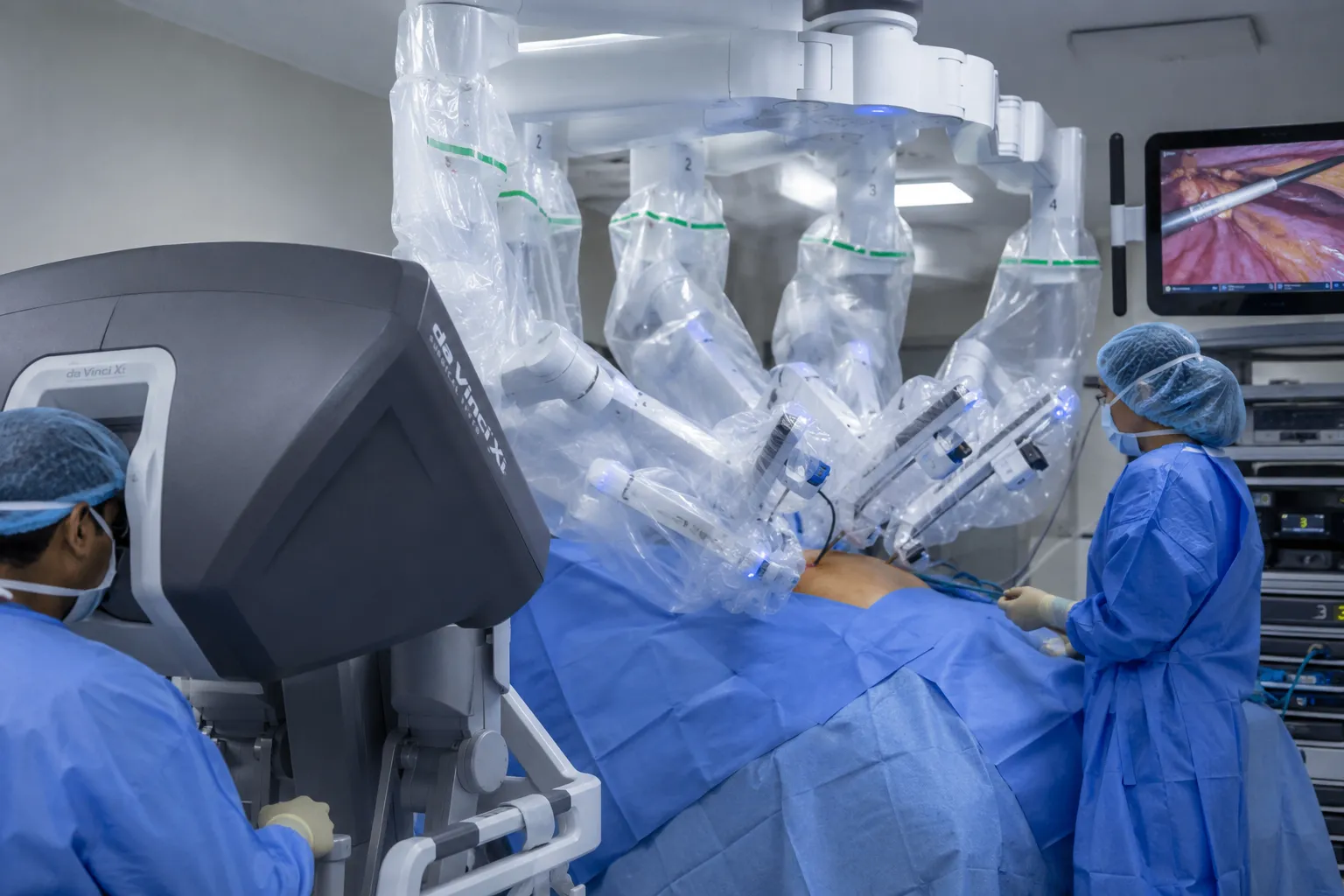
Robotic hernia surgery is an advanced minimally invasive procedure that allows surgeons to repair hernias using sophisticated robotic-assisted technology. During the operation, the surgeon controls robotic instruments from a specialized console while viewing the surgical area through a highly magnified 3D camera.
Despite the name, the robot does not perform the procedure independently. Every movement is directed by the surgeon, who gains enhanced visibility, flexibility, and control compared to traditional surgical techniques.
This innovative approach is commonly used for inguinal, ventral, incisional, and recurrent hernias. By utilising small incisions and highly precise instruments, robotic-assisted procedures can minimise trauma to surrounding tissues and support a smoother healing process.
How Hernias Develop
The abdominal wall consists of layers of muscle and connective tissue that hold internal organs in place. When a weak spot develops, tissue may push through, creating a hernia.
Several factors increase the risk of developing a hernia, including:
- Aging and muscle weakening
- Heavy lifting
- Chronic coughing
- Obesity
- Pregnancy
- Previous abdominal surgeries
- Straining during bowel movements
- Family history of hernias
While lifestyle changes may help reduce symptoms temporarily, surgery remains the only permanent solution for repairing the defect in the abdominal wall.
Why Minimally Invasive Surgery Is Changing Hernia Care
Traditional open hernia repair has been performed successfully for decades. However, advancements in minimally invasive techniques have significantly expanded treatment options.
Minimally invasive procedures generally involve several small incisions instead of one large incision. This approach often results in:
- Less postoperative discomfort
- Reduced scarring
- Lower risk of infection
- Faster return to daily activities
- Shorter hospital stays
For many patients, robotic-assisted procedures represent the next evolution of minimally invasive surgery by combining these benefits with enhanced surgical precision.
The Technology Behind Robotic-Assisted Procedures
Modern robotic surgical platforms provide surgeons with several technological advantages.
- Enhanced Visualization
The system provides a high-definition, three-dimensional view of the surgical area. This magnified perspective allows surgeons to identify anatomical structures more clearly than with traditional methods.
- Greater Precision
Robotic instruments mimic the natural movement of the human wrist but with an expanded range of motion. This flexibility allows surgeons to work effectively in confined spaces.
- Improved Control
The robotic platform translates the surgeon’s hand movements into highly precise instrument movements. This capability supports delicate tissue handling and accurate placement of surgical mesh.
Conditions Treated With Robotic Hernia Surgery
This advanced technique can be used to repair various types of hernias.
- Inguinal Hernias
These occur in the groin and account for the majority of hernia cases. Men are affected more frequently than women.
- Ventral Hernias
Ventral hernias develop in the abdominal wall and may result from muscle weakness or previous surgery.
- Incisional Hernias
These hernias form at the site of a previous surgical incision where the tissue has weakened over time.
- Recurrent Hernias
Some hernias return after previous repairs. Robotic-assisted approaches can offer improved visualisation and access in these complex cases.
What Happens During the Procedure?
Before surgery, patients undergo a comprehensive evaluation that may include imaging studies, laboratory testing, and a detailed physical examination.
During the operation:
- Small incisions are created.
- Specialised instruments and a miniature camera are inserted.
- The surgeon controls the robotic system from a nearby console.
- The herniated tissue is returned to its proper position.
- The abdominal wall defect is repaired.
- Surgical mesh is often placed to strengthen the area.
- The incisions are closed.
Most procedures are completed under general anaesthesia and may be performed on an outpatient basis depending on the patient’s condition.
Benefits of Robotic Hernia Surgery
Many patients and surgeons choose robotic hernia surgery because of its potential advantages.
- Smaller Incisions
Smaller surgical openings can reduce tissue trauma and improve cosmetic outcomes.
- Faster Recovery
Patients frequently return to normal activities sooner compared with traditional open procedures.
- Reduced Pain
Minimal disruption of healthy tissues may contribute to less postoperative discomfort.
- Enhanced Precision
The advanced visualisation and instrument control can support meticulous repairs.
- Lower Risk of Certain Complications
Research has suggested favourable outcomes regarding postoperative recovery and complication rates in selected patients.
Recovery After Surgery
Recovery experiences vary depending on the type of hernia repaired, overall health, and individual healing factors.
Most patients can expect:
- First Few Days
- Mild soreness
- Temporary swelling
- Gradual increase in mobility
- Encouragement to walk regularly
- First Few Weeks
- Return to light activities
- Continued improvement in comfort
- Progressive healing of incision sites
- Long-Term Recovery
Patients are usually advised to avoid heavy lifting until cleared by their surgeon. Following postoperative instructions carefully can help support successful outcomes.
Is Robotic Hernia Surgery Right for Everyone?
While robotic-assisted procedures offer many benefits, not every patient is an ideal candidate.
Factors considered include:
- Hernia size and location
- Previous abdominal surgeries
- Overall health condition
- Body mass index
- Medical history
- Complexity of the hernia
An experienced surgeon can evaluate these factors and recommend the most appropriate treatment approach.
Why Experience Matters
The success of any surgical procedure depends heavily on the expertise of the surgeon performing it.
At Nihalani Group LLC, patient-centred care and advanced surgical techniques are combined to deliver individualised treatment plans. Surgical experience, proper patient selection, and attention to detail all contribute to achieving optimal outcomes.
Patients should always discuss the following:
- Surgeon experience
- Expected recovery timeline
- Potential risks
- Benefits of available treatment options
- Long-term expectations
A thorough consultation helps patients make informed decisions about their care.
Comparing Open, Laparoscopic, and Robotic Techniques
Each surgical approach has unique advantages.
Open Surgery
- Larger incision
- Direct access to the hernia
- Suitable for specific cases
Laparoscopic Surgery
- Smaller incisions
- Faster recovery than open surgery
- Established minimally invasive option
Robotic-Assisted Surgery
- Advanced 3D visualization
- Enhanced instrument dexterity
- Precise tissue handling
- Particularly beneficial for complex repairs in experienced hands
The best approach depends on the patient’s specific condition and the surgeon’s assessment.
The Future of Hernia Repair
Surgical innovation continues to evolve rapidly. Robotic technology is helping surgeons perform increasingly sophisticated procedures with greater confidence and precision.
As research expands and technology advances, patients can expect continued improvements in:
- Surgical accuracy
- Recovery experiences
- Long-term outcomes
- Patient satisfaction
The integration of advanced robotics into general surgery represents a significant step forward in the treatment of hernias and many other conditions.
Conclusion
Hernias can significantly impact comfort, mobility, and quality of life. Fortunately, modern surgical advancements have created safer and more effective treatment options than ever before.
Robotic hernia surgery offers a minimally invasive solution that combines precision, advanced visualisation, and enhanced control. For many patients, this approach can mean less discomfort, quicker recovery, and durable long-term results.
At Nihalani Group LLC, patients benefit from personalised care and access to advanced surgical technologies designed to support successful outcomes. If you are experiencing symptoms of a hernia or have been advised to consider surgical repair, consulting with an experienced specialist can help you determine the best path forward.
Frequently Asked Questions (FAQs)
1. What is robotic hernia surgery?
It is a minimally invasive procedure in which a surgeon uses robotic-assisted technology to repair a hernia through small incisions, with enhanced precision and visualisation.
2. Is robotic hernia surgery safe?
Yes. When performed by a trained and experienced surgeon, robotic-assisted hernia repair is considered a safe and effective treatment option.
3. How long does recovery take?
Most patients return to light daily activities within a few days to a couple of weeks, although full recovery may take longer depending on the individual case.
4. Will I need mesh during the procedure?
In many cases, surgical mesh is used to reinforce the abdominal wall and reduce the risk of recurrence.
5. Is robotic surgery better than open surgery?
Each technique has advantages. Robotic-assisted procedures often provide smaller incisions, enhanced precision, and faster recovery for appropriate candidates.
6. Can recurrent hernias be repaired robotically?
Yes. Many recurrent hernias can be successfully treated using robotic-assisted techniques.
7. Are the scars visible after surgery?
The incisions used in robotic-assisted procedures are typically small, resulting in less noticeable scarring.
8. How do I know if I am a candidate?
A consultation with a qualified surgeon is the best way to determine whether robotic-assisted hernia repair is suitable for your specific condition.
0 Comments